
In the rapidly evolving world of robotics, efficiency and precision are paramount. In this context, automating the robot joint motor manufacturing process has emerged as a key strategy. This guide will take you through the steps involved in this automation process while also highlighting the benefits and use cases of the same.
The Importance of Robot Joint Motors
Robot joint motors, or servomotors, are critical components of any robotic system. They provide the necessary movement for a robot’s joints, allowing it to perform a wide range of tasks. From simple tasks like picking up objects to complex ones like performing surgical procedures, these motors play a pivotal role.
Due to their importance, it’s vital to ensure the efficiency and precision of the manufacturing process. This is where automation comes in. With automation, you can significantly increase productivity, reduce human error, and improve the overall quality of your robot joint motor.
Understanding Automation in Manufacturing
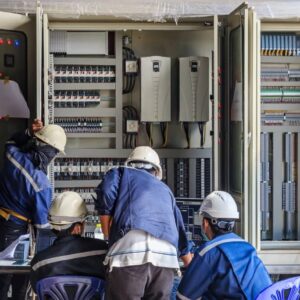
Automation in manufacturing involves the use of control systems, such as computers or robots, to handle different processes and machinery. It’s a step up from mechanization, where human operators are needed to operate machinery. With automation, you can reduce human intervention to a great extent, leading to increased efficiency and accuracy.
Automation is particularly beneficial in industries where precision is crucial, like the robot joint motor manufacturing industry. It not only helps in improving the quality of the product but also reduces the amount of time taken to produce it.
Steps to Automate Your Joint Motor Manufacturing Process
Automating your joint motor manufacturing process involves several steps. Here are some of the key ones:
- Identify the Processes to Automate:The first step is to identify the processes that can be automated. These could be repetitive tasks that don’t require human intervention, such as assembling components or testing the motors.
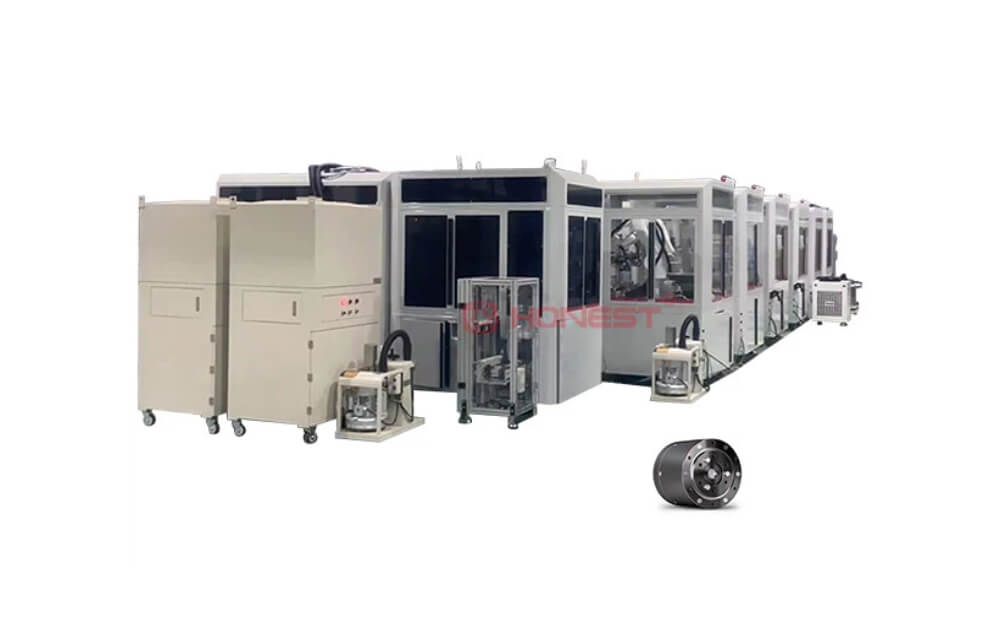
- Select the Appropriate Automation Tools:Once the processes are identified, the next step is to select the appropriate automation tools. This could include robotic arms for assembling components or automated testing machines for testing the motors.
- Implement the Automation Tools:After selecting the tools, the next step is to implement them in your joint motor assembly line. This involves setting up the tools and programming them to perform the tasks.
- Monitor and Optimise the Process:Once the automation tools are implemented, it’s important to monitor the process and make necessary adjustments to optimise efficiency and accuracy.
Benefits of Automating Your Joint Motor Manufacturing Process
Automating your joint motor manufacturing process comes with a host of benefits. Here are some of the key ones:
- Increased Productivity:Automation can significantly increase productivity by reducing the time taken to perform tasks. This means you can produce more motors in less time.
- Improved Quality:Automation improves the quality of the motors by reducing human error. With automation, each motor is produced with the same level of precision, leading to consistent quality.
- Reduced Costs:By increasing productivity and reducing errors, automation can help in reducing costs. This makes your manufacturing process more efficient and cost-effective.
Conclusion
Automation in the robot joint motor manufacturing process is no longer a luxury but a necessity. It provides a competitive edge by allowing manufacturers to produce high-quality motors efficiently and cost-effectively. It’s a game-changer that can significantly enhance the performance and profitability of your manufacturing process.
FAQs
- What is a robot joint motor?
A robot joint motor, or a servomotor, is a device that provides precise control of angular or linear position, velocity, and acceleration. It’s a critical component of a robot, allowing it to move its joints and perform tasks.
- Why is automation important in the manufacturing process?
Automation is important because it improves the efficiency, accuracy, and productivity of the manufacturing process. It reduces human error and allows manufacturers to produce high-quality products in less time.
- How can I automate my joint motor manufacturing process?
You can automate your manufacturing process by identifying the processes that can be automated, selecting the appropriate automation tools, implementing these tools in your assembly line, and monitoring and optimising the process.