

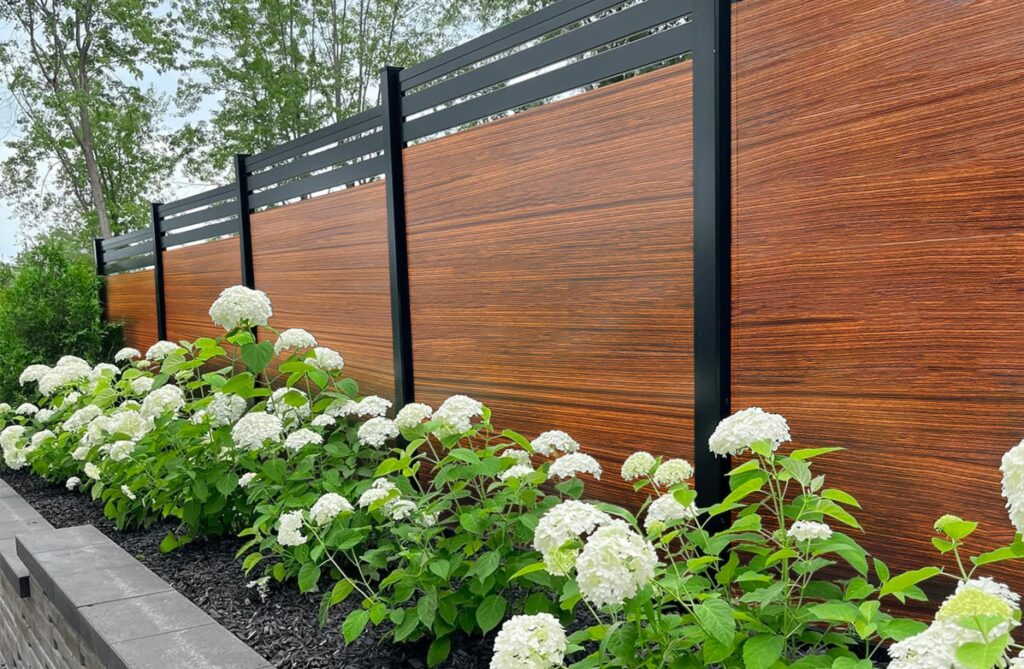
Curb appeal is more than just a buzzword; it’s your property’s handshake with the world. A strong first impression communicates care, value, and character before a visitor ever steps inside. For homeowners looking to elevate this impression, the right fencing is a transformative element. It defines space, enhances privacy, and complements your home’s architecture. Achieving this, however, requires more than just picking a style from a catalog. It demands a blend of local expertise, quality materials, and precise craftsmanship. This is why discerning homeowners increasingly rely on specialized professionals to execute this critical home improvement project.
The decision to install a fence involves navigating material choices, local regulations, and long-term durability. A poorly planned or installed fence can detract from your home’s aesthetic, violate codes, and become a maintenance headache. Conversely, a professionally designed and installed fence seamlessly integrates with your landscape, meets all local requirements, and stands the test of time. This tangible difference in outcome is the core reason homeowners prioritize expertise over DIY or unqualified installers. The trust placed in a professional stems from their ability to translate a vision into a durable, beautiful, and compliant reality that truly enhances curb appeal.
The Direct Link Between Quality Fencing and Curb Appeal
A fence is one of the largest and most visible exterior features of a home. Its impact on curb appeal is immediate and multifaceted. It frames the property, creating a sense of order and completion. A well-chosen fence style can accentuate your home’s architectural style—whether it’s a crisp white picket fence complementing a Cape Cod or a horizontal slat design highlighting a modern facade. Beyond aesthetics, it signals privacy and security, qualities that are inherently attractive to both homeowners and potential buyers.
The quality of the installation is just as crucial as the design. Wobbly posts, uneven lines, or gates that sag or stick undermine the entire effect. Professional installers ensure every component is plumb, level, and secure. This precision craftsmanship results in clean sight lines and a polished look that feels intentional and permanent. It’s this combination of thoughtful design and flawless execution that makes a fence a powerful curb appeal asset, not just a functional boundary.
Material Choices That Make a Statement
The material you select dictates the fence’s character, longevity, and maintenance needs. Vinyl offers crisp, clean lines with minimal upkeep, resisting rot and fading. Wood provides timeless warmth and versatility but requires regular staining or sealing. Aluminum delivers elegant, low-maintenance strength with ornamental options, while composite materials blend the look of wood with enhanced durability. A professional Long Island Fence Company doesn’t just sell these materials; they advise on which is best suited for your specific microclimate, soil conditions, and aesthetic goals, ensuring your investment ages gracefully.
Beyond Aesthetics: The Functional Value Homeowners Trust
Trust in a fencing professional is built on their ability to deliver solutions that are as practical as they are beautiful. A primary function is privacy. A strategically placed fence with the right height and opacity creates a secluded backyard oasis, shielding your family from street noise and neighbor visibility. Security is another critical factor. A sturdy, well-constructed fence with a reliable gate acts as a physical deterrent, defining your property line clearly and helping to keep children and pets safely within bounds.
Durability is a non-negotiable aspect of this functional value. Long Island weather presents a unique challenge, with salty air, strong winds, and freeze-thaw cycles. Professionals understand how to combat these elements. This includes using corrosion-resistant fasteners, setting posts below the frost line to prevent heaving, and recommending materials proven to withstand local conditions. This technical know-how prevents common failures and ensures the fence performs its functions reliably for years, which is a cornerstone of homeowner trust.
Navigating Local Regulations and Property Lines
One of the most significant risks of a DIY fence project is unintentionally violating local codes or encroaching on a neighbor’s property. Municipalities have specific ordinances governing fence height, style, and placement, particularly for corner lots or properties near sidewalks. Furthermore, building a fence even inches over your property line can lead to costly legal disputes and removal orders.
Professional fence companies assume the responsibility of navigating this complexity. They typically handle the process of checking local zoning laws and homeowners’ association (HAA) rules. Most importantly, they insist on or provide a property line survey or stake-out before digging the first post hole. This due diligence protects your investment and prevents neighborly conflict, offering homeowners immense peace of mind. You can trust that the project will proceed smoothly and legally from start to finish.
The Investment Perspective: Added Value and ROI
A fence is a home improvement that offers a measurable return. While exact figures vary, a well-installed, attractive fence consistently ranks as a feature that boosts property value and marketability. It enhances the perceived livable space by making the yard more usable and private. For families or pet owners, it’s often a must-have feature that can make your home more attractive than competing listings without a fence.
The key to maximizing this return is quality. A shoddy fence is a liability that a buyer will factor into their offer, often as a cost they’ll need to replace. A premium fence from a trusted installer is an asset. It signals that the entire property has been well-maintained. When considering cost, homeowners who trust a professional understand they are paying for guaranteed compliance, expert installation, durable materials, and a warranty—all factors that protect and increase the long-term value of their home.
Why Expertise Trumps the DIY Approach
The allure of a DIY fence project often centers on perceived cost savings. However, the hidden expenses and risks can quickly erode those savings. Renting professional-grade equipment, correcting mistakes, and the sheer physical labor involved are significant factors. More critically, an amateur installation often lacks the structural integrity to withstand Long Island’s weather, leading to premature repairs or total replacement.
A professional Long Island Fence Company brings a systemized process: expert design consultation, precise material estimation, efficient installation crews, and cleanup. They complete the project in a fraction of the time it would take a homeowner, with a finish that is structurally sound and aesthetically superior. The warranty on both materials and labor provides long-term protection. For homeowners, this expertise translates to a stress-free experience and a result they can be confident in for decades, which is the ultimate foundation of trust.
Frequently Asked Questions
How much does a new fence typically cost?
Fence costs vary widely based on material, linear footage, height, and terrain. For a standard residential project, you might invest anywhere from several thousand to tens of thousands of dollars. A professional installer provides a detailed, transparent quote that includes all materials, labor, permits, and cleanup, so you understand the full investment upfront without surprise costs.
How long does a professional fence installation take?
For an average residential property, a professional crew can typically complete installation within 2 to 5 days, depending on the scope and complexity. This includes post-setting, panel installation, gate hanging, and final cleanup. Weather and material availability can sometimes affect the timeline, which a reputable company will communicate clearly.
Do I need a permit to install a fence?
Most municipalities on Long Island require a permit for fence installation. Regulations cover height, style, and placement, especially for front yards and corner lots. A professional fence company will usually manage the permit application process as part of their service, ensuring your project is fully compliant with all local codes.
What is the best low-maintenance fencing material?
For minimal upkeep, vinyl, aluminum, and composite materials are excellent choices. Vinyl resists rot, insects, and fading, often requiring only occasional washing. Aluminum is rust-resistant and durable. Composite fencing mimics wood but won’t warp, crack, or require staining. A professional can help you weigh the pros and cons of each for your specific needs.
How do I maintain my new wooden fence?
To extend the life of a wood fence, plan on applying a high-quality water-repellent stain or sealant every 2 to 3 years. Regularly inspect for loose boards, nails, or signs of rot. Keep vegetation trimmed back from the fence line to promote air circulation and prevent moisture retention, which leads to decay.
Can a fence be installed in the winter?
Yes, professional fence installation can often proceed in winter, provided the ground is not frozen solid. Many companies use specialized equipment to dig in colder conditions. Scheduling a winter installation can sometimes be advantageous, as it may be a less busy season for contractors, potentially leading to a quicker project start.
Conclusion
Enhancing your home’s curb appeal with a fence is a decision that pays dividends in beauty, function, and property value. However, the path to achieving this enhancement is where the critical choice lies. Trusting a professional Long Island fence company is not merely a convenience; it is an investment in precision, compliance, and longevity. These experts transform a simple boundary into a defining feature of your home, navigating the complexities of materials, design, and local codes so you don’t have to.
The trust homeowners place in professionals is earned through consistent results: a flawless installation that stands straight and strong against the elements, a process that respects property lines and regulations, and a finished product that elevates the entire property. When you look at a fence that seamlessly integrates with your home and landscape, you see more than wood, vinyl, or metal. You see the culmination of expertise—a lasting improvement that makes a powerful statement about your home from the very first glance.