

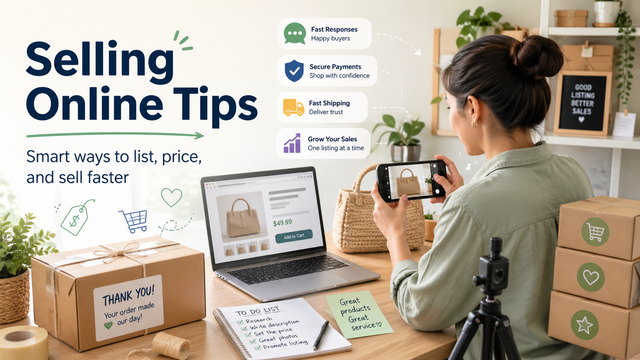
Selling online sounds simple, right? Take a photo, write a quick description, post it somewhere, and wait for buyers to flood your inbox. But in real life, it is not always that easy. Sometimes your listing gets ignored. Sometimes people message you and disappear. Sometimes you price an item too high, too low, or write a description that does not make people trust you.
The good news? Selling online is a skill, and once you understand the basics, it becomes much easier to make consistent sales. Whether you are clearing out your garage, starting a side hustle, flipping used items, or launching a small business, the right selling strategy can make a huge difference.
If you are especially interested in local selling platforms, learning how to sell on Craigslist can give you a strong foundation because it teaches many timeless principles: clear listings, smart pricing, safe communication, and buyer trust.
Why Selling Online Is Easier Than Ever
The internet has turned almost everyone into a potential seller. You do not need a fancy shop, a warehouse, or a big advertising budget. Your phone, a few good photos, and a well-written listing can be enough to get started.
People shop online because it is convenient. They can compare prices, search for specific items, and message sellers without leaving home. That means your buyer could be just a few streets away or across the country, depending on the platform you use.
Understanding What People Actually Want
Before you list anything, ask yourself a simple question: why would someone buy this?
People buy used or online items for different reasons. Some want to save money. Some want rare products. Some need something quickly. Others love finding deals. When you understand the buyer’s motivation, you can write your listing in a way that speaks directly to them.
For example, selling a used desk? Do not just say, “Desk for sale.” Say it is perfect for a home office, student room, gaming setup, or small apartment. Help the buyer imagine using it.
Choose the Right Platform for Your Product
Not every selling platform works the same way. Some are better for local items, while others are ideal for shipping products.
Local Marketplaces
Local marketplaces are great for furniture, appliances, bikes, tools, baby gear, and anything bulky. Buyers usually pick up the item, which saves you from packing and shipping headaches.
National Selling Platforms
Websites that support shipping are better for small products like clothing, electronics, collectibles, books, and accessories. These platforms often have built-in payment systems and buyer protection.
Niche Marketplaces
Some products sell better in specialized communities. Sneakers, vintage clothes, handmade crafts, car parts, and collectibles often perform well when listed where passionate buyers already gather.
Research Before You Price
Pricing is where many sellers go wrong. If your price is too high, buyers scroll past. If it is too low, you leave money on the table.
Search for similar items before posting. Look at what others are charging, but pay attention to condition, brand, age, and location. A used laptop in excellent condition will not sell for the same price as one with scratches and a weak battery.
The Psychology of Pricing
People love feeling like they found a deal. That does not mean you should underprice everything. It means your price should feel fair.
A price like $95 may feel more attractive than $100, even though the difference is small. Leaving a little room for negotiation can also help. If you want $80, listing at $90 may give buyers space to make an offer while still landing near your target.
Write Listings That Sell
Your listing title is the first thing buyers see. Make it clear, specific, and searchable.
Instead of writing “Chair,” write “Comfortable Black Office Chair With Adjustable Height.” Instead of “Phone,” write “iPhone 13 128GB Unlocked in Good Condition.”
Details matter. Buyers are more likely to message you when your listing answers their questions before they even ask.
Use Keywords Naturally
Online selling platforms work like mini search engines. Buyers type what they want, and the platform shows relevant listings. That is why using the right words matters.
Include the brand, model, color, size, condition, and main use of the item. But do not stuff random words into the listing. Keep it natural. A good listing should read like you are explaining the item to a friend.
Take Photos That Build Trust
Photos can make or break your sale. Blurry, dark, or messy photos make buyers suspicious. Clean, bright photos make your item look more valuable.
Use Natural Light
Take pictures near a window or outside in soft daylight. Avoid harsh shadows and yellow indoor lighting when possible.
Show Multiple Angles
Take photos from the front, back, sides, and close up. If there are flaws, show them. Hiding damage may get you messages, but it can also lead to wasted time and unhappy buyers.
Remove Clutter
A messy background distracts buyers. Place the item in a clean space. You do not need a professional studio. A plain wall, clean floor, or simple table can work perfectly.
Be Honest About Condition
Honesty sells. That may sound strange, but it is true. Buyers appreciate sellers who are upfront.
If something has scratches, dents, missing parts, or signs of wear, say so. You are not scaring buyers away; you are filtering out people who would complain later. A buyer who knows exactly what to expect is more likely to follow through.
Create a Description That Answers Questions
A strong description should include what the item is, its condition, why you are selling it, what is included, and whether the price is firm or negotiable.
For example, instead of writing, “Used coffee table, good condition,” you could write:
“Solid wood coffee table in good condition. It has a few small surface scratches from normal use, but it is sturdy and clean. Great for a living room, apartment, or dorm. Selling because I am redecorating. Pickup only.”
That kind of description feels real. It gives buyers confidence.
Respond Quickly to Messages
Online buyers move fast. If you wait too long to respond, they may buy from someone else.
You do not have to be glued to your phone all day, but try to reply as soon as you can. A quick, polite response shows you are serious. It also helps keep the buyer interested while their attention is still fresh.
Avoid One-Word Replies
When buyers ask questions, give helpful answers. If someone asks, “Is this still available?” do not just say, “Yes.” Say, “Yes, it is still available. I can meet today after 5 PM or tomorrow morning.”
That kind of response moves the conversation forward and makes it easier to close the sale.
Handle Negotiation Like a Pro
Negotiation is part of online selling. Do not take low offers personally. Some buyers simply enjoy bargaining.
Decide your lowest acceptable price before listing. That way, you will not make emotional decisions in the moment. If someone offers too little, politely say, “Thanks for the offer, but I cannot go that low.” Simple and calm wins every time.
Know When to Say No
Not every buyer is worth your time. If someone is rude, keeps changing plans, or makes unreasonable demands, move on. Another buyer will come along.
Stay Safe When Selling Locally
Safety should always come first. Meet in public places when possible, especially for smaller items. Many police stations and public areas offer safe exchange zones.
For large items that require home pickup, try to have someone with you. Keep the item near the entrance or garage if possible, and avoid inviting strangers deep into your home.
Use Secure Payment Methods
Cash is common for local sales, but digital payments are also popular. Be careful with fake payment confirmations, overpayment scams, and buyers who want unusual arrangements.
Do not ship an item until payment is confirmed through a trusted system. If something feels off, trust your gut.
Spot Common Online Selling Scams
Scammers often create urgency. They may say they are out of town, want to send someone else, or offer more than your asking price. Some ask for verification codes or personal information.
Never share banking details, login codes, or sensitive personal data. Real buyers usually ask normal questions about the item, pickup time, price, and condition.
Make Pickup Easy
A smooth pickup process increases your chances of completing the sale. Give clear meeting instructions, confirm the time, and make sure the item is ready.
No one wants to arrive and wait while you search for the charger, box, or missing accessory. Being prepared makes you look reliable and professional.
Bundle Items for Faster Sales
If you have several related items, consider bundling them. For example, sell a baby stroller with accessories, a camera with a bag and memory card, or kitchen tools as a set.
Bundles can make buyers feel like they are getting more value. They also help you clear out multiple items at once.
Refresh Old Listings
Sometimes listings get buried. If an item has not sold after a while, review it. Maybe the price is too high. Maybe the photos are weak. Maybe the title is too vague.
Updating your listing can bring it back to life. Try new photos, a better headline, or a small price adjustment.
Use Seasonal Timing
Timing matters more than most sellers realize. Patio furniture sells better before summer. Heaters sell better before winter. Textbooks sell better before school starts. Fitness gear often gets attention around New Year.
Think like a buyer. When would someone need this item most? Listing at the right time can help you sell faster and for a better price.
Build Trust With Your Profile
Some platforms show seller ratings, reviews, or account history. A trustworthy profile can make buyers more comfortable.
Use a real-looking profile photo if appropriate, keep communication polite, and follow through on agreements. Over time, good ratings can help you sell more easily.
Create Urgency Without Being Pushy
You can encourage buyers to act without sounding desperate. Phrases like “available for pickup today,” “priced to sell,” or “first come, first served” can help.
Do not fake urgency. Buyers can sense pressure. Keep it honest and casual.
Sell Benefits, Not Just Features
Features describe the item. Benefits explain why those features matter.
A feature is “foldable treadmill.” A benefit is “easy to store in a small apartment.” A feature is “solid wood dining table.” A benefit is “durable enough for daily family meals.”
When you sell benefits, buyers can picture the item improving their life.
Keep Records of Bigger Sales
For expensive items, keep basic records. Save messages, payment confirmation, serial numbers, and photos. This can help protect you if there is a dispute.
It is also useful if you are turning online selling into a regular side hustle and need to track profit.
Improve With Every Listing
Every sale teaches you something. Maybe you learn which photos work best. Maybe you discover that buyers in your area prefer evening pickups. Maybe you realize certain brands sell faster.
Pay attention. The more you sell, the better your instincts become.
Turning Online Selling Into a Side Hustle
Once you get comfortable, selling online can become more than a way to declutter. Many people buy low and sell higher. This is often called flipping.
You might find undervalued items at yard sales, thrift stores, estate sales, clearance sections, or local marketplaces. Then you clean them up, take better photos, write stronger listings, and resell them for profit.
Start Small and Learn the Market
Do not rush into buying expensive inventory. Start with items you already own. Once you understand what sells, you can slowly experiment with sourcing products.
Pay attention to demand. Some items look valuable but sit for months. Others sell within hours. Experience will teach you the difference.
Why Craigslist Still Matters
Even with so many modern apps, Craigslist still has a place in online selling. It is simple, local, and useful for categories like furniture, vehicles, tools, appliances, and services.
For sellers who want to understand local buyer behavior, studying how to sell on Craigslist can help sharpen the basics of posting, pricing, communication, and safety.
Common Mistakes New Sellers Make
New sellers often make the same mistakes. They use poor photos, write lazy descriptions, overprice items, ignore messages, or fail to mention flaws. Sometimes they also hold items for unreliable buyers and miss better opportunities.
The fix is simple: be clear, be honest, be responsive, and be prepared.
Do Not Get Emotionally Attached to Prices
You may remember what you paid for an item, but buyers care about what it is worth now. Used items usually lose value unless they are rare, collectible, or in high demand.
Price based on the current market, not your original receipt.
Conclusion
Selling online is not just about posting items and hoping for the best. It is about understanding buyers, presenting your products clearly, pricing them fairly, and communicating with confidence. Great photos, honest descriptions, smart timing, and safe selling habits can turn a simple listing into a successful sale.
Start with what you already have. Learn from every message, every offer, and every completed transaction. Before long, selling online will feel less like guesswork and more like a skill you can rely on again and again.
FAQs
What is the best way to sell online quickly?
The fastest way is to price your item fairly, use clear photos, write a detailed title, and respond quickly to buyers. Items in good condition with strong demand usually sell faster.
How do I know what price to choose?
Search for similar items online and compare condition, brand, age, and location. Start slightly above your lowest acceptable price so you have room to negotiate.
Should I accept lower offers from buyers?
It depends on your goal. If you want a fast sale, accepting a reasonable offer can be smart. If the item is valuable and getting attention, you may want to wait.
How can I avoid scams when selling online?
Avoid sharing personal information, never send verification codes, confirm payments before shipping, and be cautious with buyers who overpay or create pressure.
What items sell best online?
Popular items include electronics, furniture, tools, clothing, baby gear, appliances, collectibles, fitness equipment, and home office items. Demand depends on your location and the platform you use.