

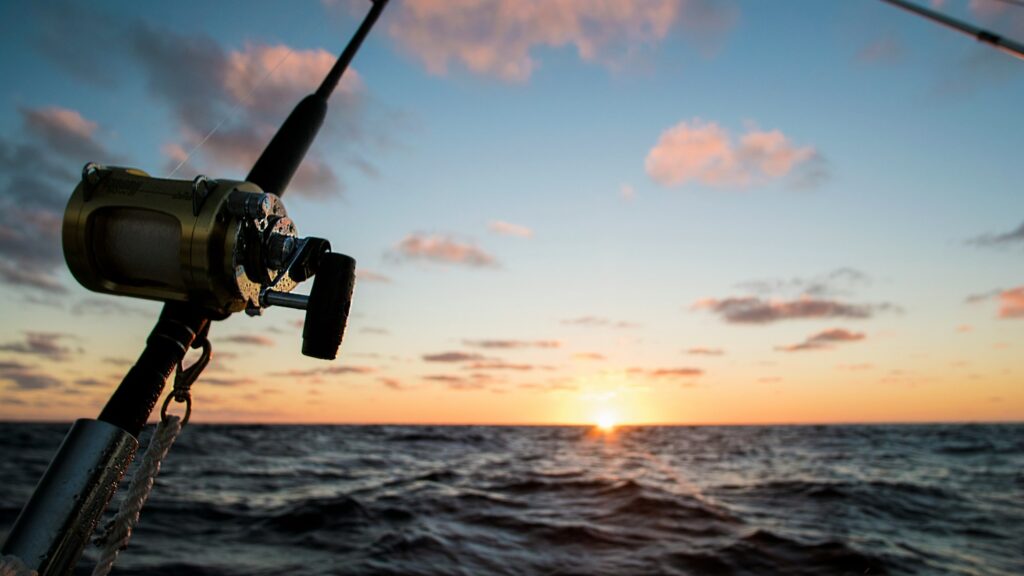
Anglers from across the globe are drawn to the waters off Cabo San Lucas, and for good reason. The confluence of the Pacific Ocean and the Sea of Cortez creates a uniquely rich marine ecosystem. This isn’t just a year-round fishery; it’s a destination where the target species change dramatically with the seasons. Understanding these rhythms is the key to planning a successful trip, whether you’re dreaming of battling a trophy marlin or filling the cooler with delicious dorado. This guide breaks down the annual calendar, detailing what you can catch and when, to help you time your visit for the species you most want to pursue.
Success in Cabo is dictated by water temperature, currents, and baitfish migrations. The seasonal shifts bring different giants to the forefront, turning specific months into world-class windows for specific game fish. We’ll navigate through the year, from the winter billfish runs to the summer tuna blitzes, providing the actionable information you need to book your ultimate fishing adventure.
Understanding Cabo’s Unique Marine Geography
Cabo’s fishing reputation is built on its location. The Baja Peninsula acts as a natural funnel, where the deep, nutrient-rich currents of the Pacific meet the warmer, protected waters of the Sea of Cortez. This mixing zone, particularly around the landmark Cabo San Lucas Arch, creates upwellings that support an immense food chain.
The result is predictable fish migrations. Pelagic species follow warm water currents and the massive baitballs that thrive here. Key areas like the Gordo Banks, the 1150 Spot, and the Jaime Bank are underwater seamounts that concentrate fish. Knowing the geography helps explain why certain seasons are hot for specific species—the fish are often following a reliable, annual path right past Cabo’s doorstep.
The Seasonal Fishing Calendar
To effectively plan your seasonal Cabo San Lucas fishing trip, you must view the year in four distinct phases. Each offers a different primary target and experience.
Winter (December – February): The Billfish Transition
While the winter months see a drop in air tourists, the fishing remains exceptional for specific anglers. This is a transitional period for striped marlin. The massive fall runs begin to taper off, but significant numbers of striped marlin remain, often found closer to shore. The real star of winter, however, is the wahoo. As water temperatures cool slightly, these speedsters move in along current lines and high spots, with January and February often providing the best action.
Yellowfin tuna are also a reliable winter catch, though they tend to be school-sized fish in the 20- to 50-pound range rather than the cow-sized giants of other seasons. Bottom fishing for species like snapper and grouper is consistently good during this time, offering a great alternative when offshore conditions are rougher. Booking a Cabo San Lucas fishing charter in winter often means less boat traffic and focused action on these quality species.
Spring (March – May): The Marlin Run Begins
Spring marks the official start of the prime billfish season. Water temperatures begin to rise, triggering the migration of baitfish and the predators that follow them. March and April see a strong resurgence of striped marlin, with numbers building steadily. By late April and through May, the first blue marlin and black marlin of the year begin to appear, adding a shot at a true heavyweight to the spread.
This is also an excellent time for dorado (mahi-mahi), as these acrobatic fish move into the area ahead of the summer peak. Inshore, roosterfish action heats up along the beaches and rocky points, providing thrilling light-tackle opportunities. Spring offers a fantastic mix, with the certainty of striped marlin action and the increasing chance for a grander.
Summer (June – August): The Peak of Pelagic Action
Summer is the most celebrated season for a reason. The water is warm, the seas are typically calmer on the Cortez side, and the pelagic action is intense. This is the absolute peak season for blue marlin and black marlin. These giants are now fully resident, with July and August being the most reliable months to hook into a fish exceeding 500 pounds.
Simultaneously, the dorado fishing explodes. Flotsam and weed lines hold large schools of these hard-fighting fish, making them a near-constant bycatch and a primary target for many anglers. The yellowfin tuna fishery also shifts gears; while school fish are abundant, this is the time when the massive “cow” tuna (200 lbs+) are most frequently targeted at offshore banks and buoys.
Fall (September – November): The Grand Slam Season
Fall is arguably the most dynamic and exciting fishing window in Cabo. The water remains warm, fueling continued excellent marlin fishing, but the season truly diversifies. September and October see the legendary striped marlin migration, where thousands of fish funnel through the area, creating unparalleled sight-fishing opportunities. It’s not uncommon to see hundreds of marlin free-jumping in a single day.
This abundance makes fall the best time to pursue a billfish grand slam (striped, blue, and black marlin in one day). Furthermore, the wahoo bite begins to ramp up again in November, and large yellowfin tuna remain in play. Inshore species like sierra mackerel and jack crevalle also provide non-stop action. For an angler seeking variety and volume, a fall trip aboard experienced Cabo fishing charters is hard to beat.
Key Species Breakdown by Season
- Marlin (Striped, Blue, Black): Present year-round, but peak seasons differ. Stripes peak in fall and spring; Blues & Blacks peak in summer and fall.
- Dorado (Mahi-Mahi): Abundant from late spring through fall, with peak numbers in summer.
- Yellowfin Tuna: Available year-round. School fish (10-60 lbs) are common in winter/spring; giant “cows” are targeted in summer/fall.
- Wahoo: Best in the cooler water periods: late fall (Nov) and winter through early spring (Jan-Mar).
- Roosterfish: A premier inshore target, best from spring through early fall along sandy beaches.
- Snapper & Grouper: Consistent bottom-fishing targets year-round, often a focus during windy winter days.
Planning Your Trip: Tactical Considerations
Matching your target species to the season is the first step. Next, consider your fishing style. Summer and fall trips are typically classic offshore trolling adventures for giants. Spring offers a mix of offshore and inshore. Winter can be ideal for focused wahoo trolling or mixed-bag bottom fishing.
Always discuss your goals with your charter captain when booking. They can advise on the best techniques—live bait versus trolling, light tackle for inshore species, or heavy gear for cow tuna—for your chosen time frame. Remember that while seasons are predictable, fish are not. Having a flexible mindset and trusting your captain’s daily read of conditions will greatly increase your chances of success.
Frequently Asked Questions
What is the absolute best month to fish in Cabo San Lucas?
There is no single “best” month, as it depends entirely on your target species. For peak blue marlin action, target July or August. For the incredible striped marlin migration, aim for October. For a fantastic mix of species including marlin, dorado, and tuna, June and September are superb. For wahoo, focus on February or November.
Can I really catch marlin year-round in Cabo?
Yes, particularly striped marlin. While the fall migration offers the highest volume, striped marlin are a consistent presence. Blue and black marlin are more seasonal, with very few caught in winter and spring, but numbers rising sharply in summer and peaking in early fall.
What size boat charter should I book?
This depends on your group size, budget, and fishing goals. Larger super pangas (28-31 ft) and sportfishers (35+ ft) offer more space, amenities like enclosed heads, and greater range to offshore banks. Smaller pangas are cost-effective for inshore fishing or shorter trips. For multi-day trips targeting giant tuna or far-off banks, a larger sportfisher is recommended.
Do I need a fishing license?
Yes, everyone on board who is fishing must have a valid Mexican sportfishing license. Reputable charter companies will almost always include this in your package or can procure it for you easily. Never board a boat that does not address this requirement.
What should I bring on my charter trip?
Essentials include sunscreen, a hat, polarized sunglasses, a light jacket or windbreaker, non-marking soled shoes, and any personal snacks or drinks (confirm with your charter). The charter will provide all rods, reels, tackle, bait, and ice. You are typically responsible for having your license and for any fish processing or shipping you desire.
Is catch-and-release practiced in Cabo?
Extensively. While many anglers choose to keep a portion of their catch for a meal or to ship home, catch-and-release is the standard for billfish, especially marlin, among reputable operations. Discuss your conservation preferences with your captain beforehand.
Conclusion
The legendary status of Cabo San Lucas as a fishing destination is built on its remarkable seasonal diversity. There is no off-season, only different seasons for different prizes. By aligning your trip with the annual patterns of migration and feeding, you transform a fishing vacation from a gamble into a strategic pursuit. Whether you’re marking your calendar for the summer marlin, the fall striped marlin blitz, or the winter wahoo run, understanding the rhythm of the sea is your greatest advantage.
Ultimately, this seasonal guide provides the framework, but the experience is crafted on the water with skilled captains who read these patterns daily. With this knowledge, you can confidently plan your adventure, knowing what the sea off Cabo is most likely to offer during your visit. The fish are waiting; it’s just a matter of timing your arrival to meet them.