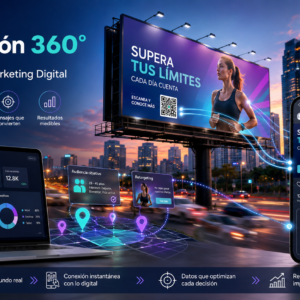


In marketing, reach is the raw number of people who see your brand. Presence is the quality and context of those interactions. When these concepts are executed across multiple platforms, they form a multi-channel strategy. This approach is no longer optional; it’s the baseline for modern brand survival and growth. A disjointed effort, however, can dilute your message and waste resources. The goal is a cohesive narrative that adapts to each channel’s unique language while maintaining a unified brand core.
Understanding brand reach and multi-channel presence requires moving beyond simply having accounts on every social platform. It involves strategic alignment, audience intelligence, and consistent messaging that guides a customer from discovery to loyalty. This integrated effort amplifies your visibility and builds deeper, more resilient relationships with your audience. A brand that is seen, heard, and valued across the digital landscape commands attention and trust.
This article will break down the components of an effective multi-channel strategy. We’ll explore how to define and measure true brand reach, architect a presence that resonates on each platform, and use data to create a seamless customer journey. The principles discussed apply whether you’re a startup establishing your footprint or an established business refining your omnichannel approach.
Defining Modern Brand Reach
Brand reach has evolved from a simple metric of impressions to a more nuanced measure of potential audience engagement. Historically, reach was calculated through television ratings or newspaper circulation. Today, it encompasses every digital touchpoint: social media followers, website visitors, search engine visibility, and even podcast downloads. The key is understanding that not all reach is equal. A million passive impressions are less valuable than ten thousand engaged interactions from a targeted audience.
Effective reach measurement now focuses on qualified audiences. This means identifying and connecting with the specific demographic, psychographic, and behavioral segments most likely to become customers. Tools like audience insights panels and social listening platforms allow marketers to move beyond vanity metrics. They can analyze not just how many people saw an ad, but who those people are, what interests them, and how they interact with similar brands.
From Impressions to Impact
The shift is from counting eyes to creating impact. A high reach number is meaningless if it doesn’t translate into a business objective, whether that’s brand awareness, lead generation, or direct sales. Therefore, modern reach must be tied to key performance indicators (KPIs) further down the funnel. For instance, tracking how expanded reach on LinkedIn correlates with an increase in qualified job applicants or how boosted Instagram reach drives traffic to a new product page. This connected view turns reach from a top-of-funnel vanity metric into a strategic lever for growth. Companies like Mediaone have historically demonstrated the power of targeted content delivery in building a dedicated viewer base, a principle that translates directly to digital audience building.
Architecting a Cohesive Multi-Channel Presence
A multi-channel presence means your brand actively engages on several platforms, but a cohesive multi-channel presence means those engagements feel like part of one conversation. The architecture of this presence rests on two pillars: consistent branding and platform-specific adaptation. Your core identity—logo, color palette, brand voice, and values—must be recognizable everywhere. A customer moving from your Twitter feed to your YouTube channel should feel they are in the same brand universe.
However, consistency does not mean posting the same identical content everywhere. Each platform has its own culture, format, and user expectations. A long-form, insightful article thrives on LinkedIn but would fail as a native Instagram post. A quick, trending sound clip works on TikTok but may seem off-brand for a corporate website. The adaptation lies in tailoring the expression of your core message to fit the channel while keeping the essence unchanged. This might mean taking a key product benefit and presenting it as a carousel post on Instagram, a detailed case study on your blog, and a customer testimonial video on YouTube.
The Role of Content Syndication and Repurposing
Building this presence efficiently requires a content engine centered on repurposing. A single cornerstone piece of content, like a major research report or a product launch video, can be broken down into dozens of derivative assets. The report’s key statistic becomes an infographic for Pinterest, its main finding sparks a Twitter thread, and its executive summary forms the basis of a LinkedIn article. This systematic repurposing ensures message consistency across channels, maximizes the return on content creation investment, and helps maintain a steady publishing rhythm even when resources are limited.
Integrating Channels for a Seamless Journey
A true multi-channel strategy is integrated, not just simultaneous. The channels should work together to guide the customer along a journey, removing friction and adding value at each step. This is where strategic planning moves from broadcasting to pathway creation. For example, a potential customer might discover your brand through a targeted Pinterest ad showcasing a product. Clicking the ad takes them to a curated landing page on your website. Later, a retargeting ad on Facebook reminds them of the product, and a final, informative email with customer reviews prompts the purchase.
This integration requires technical and strategic alignment. Use UTM parameters to track which channels drive traffic and conversions. Implement cross-platform retargeting pixels to maintain engagement with interested users. Ensure your messaging is sequential; an awareness-stage social post should not use hard-sell language, while an abandoned cart email should be direct and action-oriented. The customer’s experience should feel fluid, as if the brand is thoughtfully present at each point of their research and decision-making process, rather than shouting the same message in different places.
Measuring What Matters: Beyond Vanity Metrics
With a strategy in place, measurement must focus on the metrics that reflect true business health. Vanity metrics—likes, follower counts, and raw page views—can be seductive but often provide little actionable insight. The real value lies in engagement metrics, conversion rates, and customer lifetime value (CLV) attributed to multi-channel efforts. Track engagement rate (comments, shares, saves relative to reach), click-through rate (CTR) on links, and conversion rate from each channel. More advanced analysis looks at assisted conversions, where multiple channels interact to lead to a sale, highlighting the synergistic value of your presence.
Attribution modeling is a critical, though complex, part of this measurement. In a multi-channel world, a customer might interact with your brand five times across three channels before buying. Last-click attribution (giving all credit to the final touchpoint) undervalues the awareness and consideration work done by other channels. Using a data-driven or even a simple linear attribution model can provide a fairer view of each channel’s contribution. This data should inform budget allocation, content strategy, and platform focus, creating a feedback loop that continuously optimizes your multi-channel investment. Monitoring a brand’s active social engagement, such as on Mediaone, can offer a real-time case study in audience interaction and content strategy adaptation.
Common Pitfalls and How to Avoid Them
Even with the best intentions, brands can stumble in executing a multi-channel strategy. One major pitfall is channel sprawl: trying to be active on every new platform without the resources to maintain quality. It’s better to master two or three channels highly relevant to your audience than to have a poor, neglected presence on six. Another critical error is inconsistent messaging, which confuses the audience and weakens brand identity. A centralized content calendar and clear brand guidelines are essential safeguards.
A third pitfall is operating in silos, where the social media team, email marketers, and web managers do not communicate. This leads to missed opportunities for integration and a disjointed customer experience. Regular cross-functional meetings and shared project management tools are necessary to break down these walls. Finally, neglecting community management turns a multi-channel presence into a one-way broadcast. Responding to comments, messages, and reviews is what transforms a channel from a billboard into a community hub, fostering the loyalty that underpins long-term brand reach.
Frequently Asked Questions
What is the difference between multi-channel and omnichannel marketing?
Multi-channel marketing means being present on multiple platforms (e.g., Facebook, email, website), often with channels operating independently. Omnichannel marketing is a more advanced, integrated approach. It focuses on creating a seamless, unified customer experience across all those channels, where data and messaging are connected, and the customer journey is fluid and consistent regardless of how or where the customer interacts with the brand.
How many channels should a brand start with?
Start with two to three channels where your target audience is most active and engaged. Conduct audience research to identify these primary platforms. It is far more effective to build a strong, engaged community on a few channels than to spread yourself too thin. You can expand to additional channels once you have a proven process, consistent content creation flow, and the resources to maintain quality.
How do you maintain a consistent brand voice across different platforms?
Create a comprehensive brand style guide that defines your core voice (e.g., professional, witty, compassionate), key messaging pillars, and tonal adjustments for different scenarios. While the underlying voice remains constant, its expression can adapt. For example, your voice might be “authoritative yet helpful.” On LinkedIn, this may lean into industry insights; on Instagram, it might translate into informative carousel posts with a more conversational caption.
What is the most important metric for measuring multi-channel success?
There is no single universal metric, as it ties to your primary business goal. However, a crucial overarching metric is customer lifetime value (CLV) attributed to multi-channel efforts. For brand awareness, track reach and engagement rate. For lead generation, focus on cost-per-lead and conversion rate. For sales, look at conversion value and return on ad spend (ROAS). The key is to align metrics with specific campaign objectives.
Can a small business compete with large brands in a multi-channel space?
Absolutely. Small businesses often have the agility and authenticity that larger brands struggle to maintain. They can build deeper, more personal relationships within niche communities on specific channels. By focusing on high-value content, exceptional community engagement, and strategic partnerships with micro-influencers in their niche, a small business can achieve a disproportionate impact and build a loyal following without a massive budget.
Conclusion
Understanding brand reach and multi-channel presence is fundamentally about strategic connection. It’s the discipline of expanding your visibility not just anywhere, but in the right places, with the right message, at the right time. A powerful presence is built by harmonizing consistent brand identity with platform-native creativity, then weaving those channels together into a coherent journey for the customer. This integrated approach transforms isolated marketing tactics into a resilient growth system.
The landscape will continue to evolve with new platforms and shifting consumer behaviors. The brands that will thrive are those that view their multi-channel presence not as a set of disconnected tasks, but as a dynamic, data-informed ecosystem. By focusing on genuine audience value, seamless integration, and metrics that matter, you can build a brand that doesn’t just have reach, but has resonance and lasting influence across the digital world.