
Morocco is a destination of immense contrasts: ancient medinas, vast deserts, rugged mountains, and cosmopolitan cities. Its vibrant culture and stunning landscapes attract millions of visitors each year. For a first-time traveler, however, navigating this North African gem requires some thoughtful preparation. The experience can be profoundly rewarding, but a few missteps can lead to frustration.
This guide provides essential travel tips for Morocco designed to smooth your path. We’ll cover the practicalities—what to pack, how to move around, and how to manage money—alongside crucial cultural insights. Understanding local customs is as important as booking your hotel. These pointers aren’t about discouraging adventure; they’re about empowering you to engage confidently with a rich and complex country.
Let’s begin with the foundational knowledge you need before you arrive.
Cultural Etiquette and Respectful Engagement
Morocco is a Muslim country with deeply rooted traditions. While it is welcoming and tolerant, showing respect for local customs will enhance your interactions and open doors to more authentic experiences.
Dress Modestly
This applies especially to women, though men should also avoid overly casual attire in conservative areas. In cities like Marrakech and Fes, covering shoulders and knees is a sign of respect. Loose, breathable fabrics are ideal for both comfort and appropriateness. In coastal resorts like Agadir, dress codes are more relaxed, but transitioning back into the medina requires a quick adjustment.
Navigating Social Interactions
A few polite phrases in Arabic or French go a long way. “As-salam alaykum” (peace be upon you) is a standard greeting. Handshakes are common, but some conservative men may avoid shaking hands with women. Public displays of affection are frowned upon. When invited for tea or into a shop, patience is key—social exchange often precedes business.
Haggling in souks is expected and part of the culture. Approach it with a smile and a sense of fair play, not as a confrontation. Start at about half the initial price and negotiate gently. Remember, these travel tips for Morocco often emphasize that a successful transaction should leave both parties satisfied.
Practical Logistics: Visas, Money, and Connectivity
Before you pack your bags, handle the administrative essentials. Most travelers find the process straightforward.
Entry Requirements and Visas
Citizens of the US, UK, EU, Canada, Australia, and many other countries do not need a visa for stays up to 90 days. Your passport must be valid for at least six months beyond your date of entry. Immigration officers may ask about your accommodation plans, so having a printout of your first hotel booking is wise.
Managing Your Money
The local currency is the Moroccan Dirham (MAD). It is a closed currency, meaning you cannot obtain it outside Morocco and cannot take it out. Exchange money at official banks or authorized exchange offices upon arrival; airport rates are less favorable. ATMs are widely available in cities and dispense dirhams. Credit cards are accepted in larger hotels and upscale restaurants, but for souks, taxis, and small cafes, cash is essential. Always have a mix of smaller notes for daily expenses.
Staying Connected
Mobile networks are reliable. Consider purchasing a local SIM card from Maroc Telecom, Orange, or Inwi at an airport or city shop for affordable data. Free Wi-Fi is common in hotels and cafes, but speeds can vary. If you need constant connectivity for work, a local SIM is the most dependable solution.
Health, Safety, and On-the-Ground Advice
Morocco is generally a safe country for tourists. Petty crime like pickpocketing exists in crowded areas, so standard vigilance applies. The real challenges often relate to health and daily navigation.
Food and Water Safety
Tap water is not safe to drink. Use bottled water, which is inexpensive and available everywhere. Moroccan cuisine is delicious, but to avoid stomach issues, let your body adjust. Start with cooked foods and familiar dishes. Street food can be excellent; choose stalls with high turnover and visible cleanliness. Freshly squeezed juice is safe, but avoid pre-cut fruit salads from street vendors.
Transportation Tips
Within cities, petit taxis (small, colored taxis) are the standard. They must use their meter; if a driver refuses, negotiate a price before getting in or find another taxi. For longer distances, trains (ONCF) are comfortable and efficient for routes like Casablanca to Marrakech. Buses are cheaper but less predictable. Grand taxis (shared older Mercedes) operate fixed inter-city routes; agree on the price per seat beforehand.
For a true First time visit morocco, consider hiring a private driver for a day trip or a multi-day tour, especially for the Atlas Mountains or desert excursions. This offers flexibility and local insight without the hassle of self-driving on unfamiliar roads.
What to Pack: A Strategic Checklist
Morocco’s climate varies dramatically from coast to desert to mountain. Packing strategically ensures comfort.
Clothing Essentials
As mentioned, modest, loose-fitting clothing is key. Include:
- Lightweight long-sleeve tops and long pants or skirts.
- A wide-brimmed hat and high-quality sunglasses.
- A warm layer (fleece or jacket) for cooler evenings in the desert or the mountains.
- Sturdy, comfortable walking shoes for medinas and a pair of sandals.
- A swimsuit if visiting coastal areas or hotels with pools.
Must-Have Items
Beyond clothes, pack:
- A reusable water bottle to refill with bottled water.
- Hand sanitizer and tissues.
- Sunscreen with high SPF—the sun is intense.
- A basic first-aid kit including stomach relief medication.
- A power adapter (Morocco uses Type C European plugs, 220V).
- A small daypack for carrying purchases and water while exploring.
Leave expensive jewelry and flashy accessories at home. A simple, practical approach works best.
Timing Your Visit and Key Destinations
When you go influences what you experience. Morocco has distinct seasonal rhythms.
Best Times to Travel
The most pleasant weather for extensive travel is spring (March to May) and autumn (September to November). Temperatures are mild across regions. Summer (June to August) can be extremely hot, especially in the interior and desert, though coastal areas remain bearable. Winter (December to February) is cold in the mountains and can be chilly at night elsewhere, but daytime desert visits are still possible.
First-Time Destination Circuit
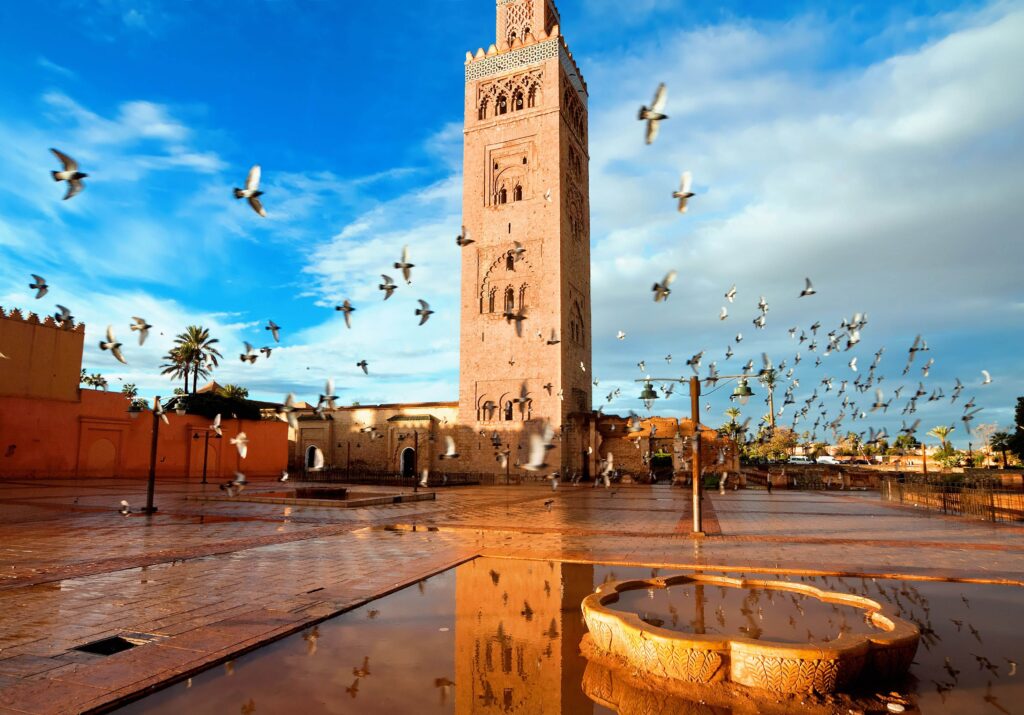
For a classic 7-10 day trip, focus on a manageable circuit. Marrakech is the most common entry point, with its vibrant medina and iconic Jemaa el-Fna square. From there, a 2-3 day excursion to the Sahara desert (often Merzouga) via the Atlas Mountains provides a stunning contrast. Fes offers a more intense, historical medina experience. Many travelers then head to coastal Essaouira for a relaxed finish before returning to Marrakech.
Attempting to cover too much ground—like adding Tangier and Casablanca to the same short trip—can lead to fatigue. Depth over breadth often yields a richer first experience.
Frequently Asked Questions
Is Morocco safe for solo female travelers?
Yes, Morocco is generally safe for solo female travelers who exercise common sense. Dress modestly, avoid walking alone in empty medina lanes at night, and be firm but polite in declining unwanted attention or persistent guides. Staying in reputable accommodations and joining group tours for certain activities can add an extra layer of comfort.
How much should I budget for a daily trip?
Budget varies greatly. A frugal traveler staying in hostels, eating street food, and using buses can manage on $30-50 per day. A mid-range budget with private rooms, restaurant meals, and some guided tours typically runs $70-100 per day. Luxury travel with high-end hotels and private drivers exceeds $150 daily.
Do I need to speak Arabic or French?
No, but it helps. English is understood in major tourist hubs, hotels, and with younger shopkeepers. Learning basic French phrases (for directions, shopping) or Arabic greetings (for polite interaction) significantly smooths daily life and is appreciated by locals.
Can I drink alcohol in Morocco?
Alcohol is available but not widely visible. It is sold in some hotels, licensed restaurants, and specific supermarkets. Public drinking is unacceptable. Consumption is discreet and confined to private spaces or licensed venues.
What is the tipping culture?
Tipping is customary for good service. In restaurants, rounding up the bill or adding 10% is standard if service isn’t already included. For guides and drivers, a tip of 50-100 MAD per day is appropriate depending on service level. Small tips (5-10 MAD) for café servers and petrol taxi drivers are also common.
Is it okay to photograph locals?
Always ask permission before photographing people, especially in rural areas or markets. Some may agree, others may decline or request a small payment. Photographing general scenes in public places is fine. Respect declines immediately—never insist.
Conclusion
A first trip to Morocco is an adventure into a culture that balances ancient tradition with modern vitality. The essential travel tips outlined here—from dressing respectfully to handling money, from choosing transport to packing wisely—serve as a practical framework. They remove uncertainty, allowing you to focus on the country’s true offerings: the scent of spices in a bustling souk, the silence of the desert at dusk, the intricate beauty of historic architecture.
Preparation is the key to immersion. With these fundamentals in place, you can engage more deeply, navigate more smoothly, and create memories that are both rich and respectful. Morocco rewards the mindful traveler. Approach your journey with curiosity and preparedness, and the experience will undoubtedly be extraordinary.