
Nestled in the heart of the Annapurna region, the journey to Khayer Lake transcends a typical Himalayan hike. This pilgrimage to a body of water revered for centuries by local communities offers a unique blend of spiritual significance, raw mountain beauty, and a less-traveled trail. While the Annapurna Base Camp and Circuit routes draw larger crowds, the path to Khayer Lake provides a quieter, more introspective experience. The trek is often accessed via the stunning Khopra Ridge, a high-altitude balcony boasting some of the most extensive panoramic views in all of Nepal.
Exploring sacred waters like Khayer Lake requires a shift in perspective. It’s not merely about reaching a destination but understanding its place in the cultural and spiritual landscape of the Himalayas. The lake is considered holy by Hindus, and its pristine, often frozen, waters sit in a dramatic cirque beneath the formidable south face of Annapurna South. This trek challenges you physically while offering profound moments of connection—with the environment, the local Gurung and Magar cultures, and the ancient traditions that define this region. The following guide outlines what makes this route exceptional, from its logistical considerations to its unparalleled vistas.
The Spiritual and Cultural Significance of Khayer Lake
Khayer Lake (Kaire Khola) sits at an elevation of approximately 4,600 meters. For generations, it has been a site of pilgrimage, particularly during the annual Janai Purnima festival. Devotees believe that bathing in its sacred waters cleanses the soul and brings spiritual merit. This cultural layer adds depth to the trek that purely scenic routes lack. You are walking a path of faith, often seeing prayer flags and simple stone altars along the shores.
Respect for this sanctity is paramount. Trekkers should observe local customs, which may include circumambulating the lake in a clockwise direction and refraining from disturbing offerings. The lake’s setting enhances its aura; it is cradled in a stark, rocky amphitheater directly below the 7,219-meter summit of Annapurna South, creating a sense of awe that feels both natural and divine. Engaging with guides and porters from nearby villages offers insight into these traditions, transforming the hike from a physical accomplishment into a meaningful cultural exchange.
Route Overview: From Khopra Ridge to the Sacred Lake
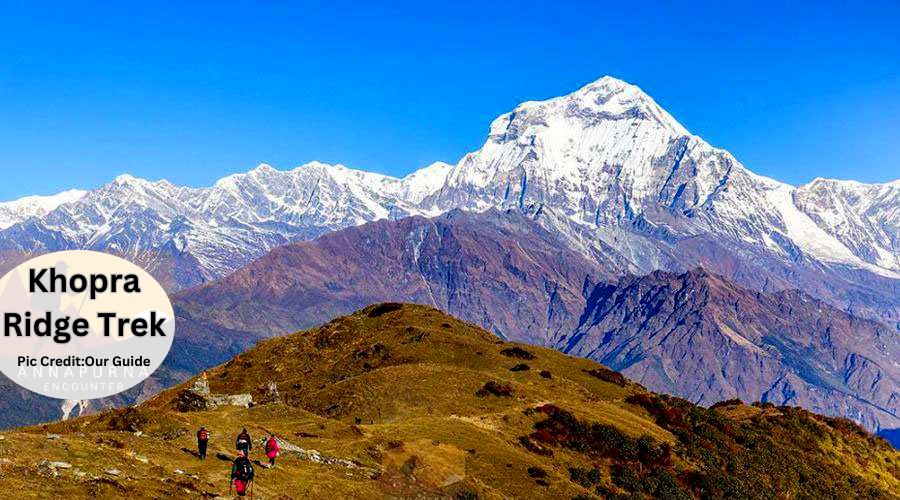
The classic approach to Khayer Lake utilizes the Khopra Ridge as both a scenic highlight and an essential acclimatization point. A common itinerary begins in the village of Ghandruk, ascending through rhododendron forests and traditional settlements to the community-run Khopra Ridge Danda (3,660 meters). The ridge itself is a destination, offering 180-degree views of the Annapurna massif, Dhaulagiri, and Nilgiri peaks. Spending two nights here aids acclimatization before the push to the lake.
From Khopra Ridge, the trail to Khayer Lake is a challenging out-and-back day hike. It involves a steep, often rugged descent into a valley before a sustained climb to the lake’s elevation. The round trip can take 7-9 hours, requiring an early start and excellent fitness. The reward is the silent, powerful presence of the lake itself. Many organized itineraries, such as the Khopra Ridge Khayer Lake Trek, expertly balance these stages, ensuring proper acclimatization and including the cultural context often missed by independent trekkers. After paying respects at the lake, the return journey typically descends via different villages like Swanta or Tadapani, completing a spectacular loop.
Acclimatization and Physical Preparation
This trek is graded as strenuous. The high point at Khayer Lake (4,600m) and the significant elevation gain and loss on the lake day demand respect. Proper acclimatization is non-negotiable. The schedule should include rest days, notably at Khopra Ridge. Physically, prepare with several months of cardio training (hiking, stair climbing, running) and leg-strengthening exercises. The ability to handle 7-8 hour days on rocky, uneven terrain is essential.
Why Khopra Ridge Stands Apart
While the Annapurna region has several famous vantage points, Khopra Ridge offers a unique combination of intimacy and grandeur. Unlike the more crowded Poon Hill, the teahouse infrastructure on Khopra is community-owned and less developed, preserving a sense of remoteness. The sunrise and sunset views from the ridge are uninterrupted, painting the peaks of Annapurna I, Annapurna South, Hiunchuli, and Machhapuchhre (Fishtail) in alpenglow.
This community-based tourism model directly benefits local cooperatives. Staying in these lodges means your funds support village projects like schools, health posts, and trail maintenance. The experience is more authentic, with home-cooked meals and the chance for genuine interaction. For trekkers seeking a balance between breathtaking scenery and a positive social impact, Khopra Ridge is a compelling choice. It serves as the perfect gateway for exploring sacred waters while supporting the communities that safeguard them.
Comparing Himalayan Treks: Finding Your Fit
The decision to embark on a specific Himalayan trek depends on your priorities: cultural depth, physical challenge, solitude, or iconic scenery. The Khopra Ridge and Khayer Lake route excels in delivering solitude, cultural immersion, and spectacular ridge walks. It is less about reaching a single famous base camp and more about a journey through a living cultural landscape with a sacred climax.
For those drawn to a longer, classic tea-house trek that circles a major peak with a renowned high pass, alternatives like the Manaslu Circuit Trek present a different adventure. Manaslu offers a continuous cultural journey through remote villages and a dramatic crossing of the Larkya La pass. Comparatively, the Khopra-Khayer trek is shorter and focuses intensely on the Annapurna sanctuary’s southern aspects and a specific spiritual destination. It can be an ideal choice for return visitors to Nepal or those wishing to step away from the most frequented trails.
Practical Logistics and Best Time to Visit
Permits: This trek requires two permits: the Annapurna Conservation Area Permit (ACAP) and the Trekkers’ Information Management System (TIMS) card. Your trekking agency will typically arrange these.
Guides and Porters: While independent trekking is possible, using a local guide is highly recommended for the Khayer Lake section due to the rugged, sometimes unclear trail and the cultural sensitivity required. Porters alleviate the physical burden, allowing you to fully absorb the experience.
Best Seasons: The optimal windows are the post-monsoon autumn (late September to November) for clear skies and stable weather, and the pre-monsoon spring (March to early May) for blooming rhododendrons. Winters (December-February) are bitterly cold at high elevations, and the summer monsoon (June-August) brings rain, leeches, and obscured views.
Accommodation: Teahouses on the Khopra Ridge route are basic but comfortable, offering twin beds, communal dining, and simple Nepali and Western meals. Facilities become more basic at higher elevations, with shared toilets common.
Frequently Asked Questions
How difficult is the Khopra Ridge Khayer Lake Trek?
This trek is considered strenuous. It involves sustained ascents and descents, with the key day to Khayer Lake being particularly challenging due to altitude (4,600m) and long hours on the trail. Excellent physical fitness and prior trekking experience are strongly advised. Proper acclimatization built into the itinerary is crucial.
What makes Khayer Lake sacred?
Khayer Lake is revered primarily by Hindu pilgrims. It is believed that bathing in its icy waters, especially during the full moon of August (Janai Purnima), washes away sins and brings spiritual blessings. The lake’s remote, dramatic setting beneath Annapurna South contributes to its powerful, sacred aura.
Is a guide mandatory for this trek?
While not legally mandatory for the Khopra Ridge section, a guide is highly recommended for the Khayer Lake day hike due to navigational challenges and the importance of understanding and respecting local customs at the sacred site. For safety and cultural enrichment, hiring a licensed guide is a wise investment.
How does this trek compare to Annapurna Base Camp?
The Khopra Ridge Khayer Lake trek is generally less crowded and focuses more on high ridge walking and a specific cultural destination. Annapurna Base Camp (ABC) takes you into the heart of the sanctuary, closer to the peaks, but on a busier trail. The Khopra route offers broader panoramic views, while ABC provides an immersive “bowl” experience.
What should I pack for this adventure?
Essential packing includes broken-in hiking boots, layered clothing for variable conditions (base layers, insulation, waterproof shell), a warm sleeping bag (teahouses provide blankets but can be cold), a headlamp, trekking poles, high-SPF sunscreen, and a basic first-aid kit. Also, carry respect for local culture in your conduct.
Can this trek be done in the winter?
It is possible but significantly more demanding. Daytime temperatures can be pleasant, but nights on Khopra Ridge can plunge well below freezing. The trail to Khayer Lake may be covered in snow and ice, requiring additional equipment like microspikes and experience with winter trekking. Autumn and spring are far more reliable and comfortable.
Conclusion
Exploring sacred waters on the Khopra Ridge Khayer Lake trek is an expedition that engages more than just the muscles. It is a journey that weaves together physical challenge, breathtaking Himalayan scenery, and a deep, respectful encounter with living cultural traditions. The path along the community-managed Khopra Ridge to the revered lake provides a model for sustainable tourism that benefits travelers and hosts alike.
For the discerning trekker looking beyond the most famous names on the map, this route offers a profound sense of discovery. It proves that some of the Himalayas’ greatest rewards are found not just in summit views, but in the stories whispered by mountain winds and reflected in the still, sacred waters of places like Khayer Lake. It stands as a powerful reminder that the mountains are not just a landscape to be conquered, but a heritage to be understood and preserved.