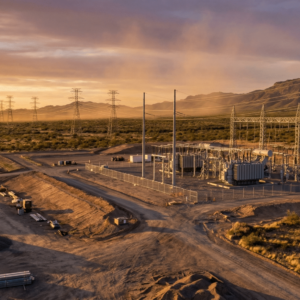


Contaminated properties sit idle across the United States, representing both environmental hazards and missed economic opportunities. These brownfield sites—former industrial or commercial properties with real or perceived contamination—require soil remediation before redevelopment can proceed. The financial barrier of cleanup costs often prevents property owners and developers from moving forward, leaving valuable land underutilized for decades.
Understanding the true cost of soil remediation and available funding mechanisms can transform these liabilities into assets. The Environmental Protection Agency’s Brownfields Program offers substantial grant funding to offset cleanup expenses, making previously uneconomical projects financially viable. This article breaks down the factors that influence remediation costs and explains how EPA grants can bridge the funding gap.
Factors That Determine Soil Remediation Costs
Soil remediation expenses vary dramatically based on contamination characteristics and site conditions. No two brownfield projects carry identical price tags, making accurate cost estimation critical during the due diligence phase.
The type of contaminant drives much of the cost variation. Petroleum hydrocarbons from underground storage tanks typically cost less to remediate than heavy metals or chlorinated solvents. Volatile organic compounds require different treatment approaches than semi-volatile compounds, with corresponding cost differences. Sites with mixed contamination—multiple pollutant types at various depths—face compounded expenses as remediation strategies must address each contaminant class.
Contamination depth and volume directly impact project budgets. Surface soil contamination affecting only the top three feet costs substantially less than groundwater contamination extending 40 feet below grade. A small hotspot of 50 cubic yards requires fewer resources than widespread contamination spanning multiple acres. Site accessibility also matters—urban properties with limited staging areas and restricted working hours cost more than rural sites with ample space and flexible schedules.
Common Remediation Methods and Associated Costs
Different cleanup technologies carry distinct price points. Selecting the appropriate method requires balancing effectiveness, timeframe, and budget constraints.
Excavation and disposal remains the most straightforward approach for localized contamination. Contractors remove contaminated soil and transport it to permitted disposal facilities. Costs range from $50 to $150 per ton for non-hazardous material, climbing to $300 to $800 per ton for hazardous waste. Transportation distance to disposal facilities significantly affects total expenses. For detailed information on how these expenses break down across different project phases, https://passive.investments/brownfields/#cost provides comprehensive cost analysis frameworks.
In-situ treatment technologies avoid excavation by treating contamination in place. Soil vapor extraction works well for volatile compounds, with system installation costs between $50,000 and $200,000 depending on site size. Chemical oxidation injects oxidizing agents into the subsurface, costing $100 to $300 per cubic yard of treated soil. Bioremediation leverages microorganisms to break down contaminants over extended periods, offering lower costs of $30 to $100 per cubic yard but requiring longer treatment timeframes of 6 to 24 months.
Monitoring and Long-Term Maintenance
Remediation doesn’t end when active treatment concludes. Many sites require ongoing monitoring to verify cleanup effectiveness and ensure contaminants don’t migrate. Groundwater monitoring well installation costs $3,000 to $8,000 per well, with quarterly sampling adding $500 to $1,500 per event. Institutional controls—deed restrictions limiting property use—require legal documentation and periodic compliance verification, adding administrative costs throughout the monitoring period.
EPA Brownfields Grant Program Overview
The EPA established its Brownfields Program in 1995 to address the estimated 450,000 brownfield sites nationwide. The program provides grants and technical assistance to communities, nonprofits, and governmental entities for brownfield assessment, cleanup, and redevelopment.
Assessment grants help identify contamination extent and type. Communities can receive up to $300,000 for hazardous substance assessments or $300,000 for petroleum assessments. Some applicants qualify for combined grants totaling $600,000 when both contaminant types exist on target properties. These funds cover Phase I and Phase II environmental site assessments, sampling, analysis, and cleanup planning.
Cleanup grants provide up to $500,000 per site for remediation activities. Eligible applicants include governmental entities, land clearance authorities, nonprofit organizations, and certain quasi-governmental entities. The EPA prioritizes projects that demonstrate community need, leverage additional funding sources, and show clear redevelopment potential. Grant recipients must own the property or have sufficient site control through agreements with property owners.
Structuring Brownfield Redevelopment Projects
Successful brownfield redevelopment requires careful financial structuring that integrates grant funding with other capital sources. The EPA grants rarely cover 100% of project costs, necessitating creative funding stacks.
Most developers combine EPA grants with conventional financing, tax increment financing, state brownfield programs, and private equity. The sequencing matters—securing EPA assessment grants first allows developers to quantify contamination and estimate cleanup costs accurately before committing substantial private capital. This phased approach reduces risk and improves project feasibility.
Cost-share requirements vary by grant type. Assessment grants typically require no cost-share, while cleanup grants mandate a 20% match from the recipient. This match can include in-kind contributions such as donated labor, equipment, or materials. Some states offer matching programs that satisfy EPA cost-share requirements, effectively reducing the burden on individual developers. Understanding https://passive.investments/brownfields/#structure helps developers optimize their capital stack and maximize grant leverage.
Tax Incentives and Additional Funding Sources
Beyond EPA grants, brownfield developers access various tax incentives. The Brownfields Tax Incentive allows taxpayers to deduct environmental cleanup costs in the year incurred rather than capitalizing them, providing immediate tax benefits. Many states offer additional tax credits, sales tax exemptions on construction materials, or property tax abatements for brownfield redevelopment.
The New Markets Tax Credit program provides equity investment in low-income communities, including many brownfield areas. Historic tax credits apply when brownfield sites contain structures listed on the National Register of Historic Places. Layering these incentives with EPA grants can reduce net project costs by 40% to 60%.
Real-World Cost Considerations
Actual brownfield projects reveal the wide cost spectrum. A former dry cleaner site with localized solvent contamination might require $150,000 in remediation—manageable with a single EPA cleanup grant and modest cost-share. Conversely, a former manufacturing facility with widespread heavy metal contamination, asbestos-containing materials, and impacted groundwater could demand $2 million or more, requiring multiple funding sources and phased implementation.
Unexpected conditions frequently emerge during remediation. Subsurface tanks, buried drums, or previously unknown contamination can inflate costs by 20% to 50%. Prudent developers maintain contingency reserves of 15% to 25% of estimated remediation budgets. EPA grants provide some flexibility for scope changes, but substantial cost overruns may require additional funding rounds.
Frequently Asked Questions
What types of properties qualify as brownfields?
Brownfields include former industrial sites, gas stations, dry cleaners, manufacturing facilities, and commercial properties with real or perceived contamination. Properties excluded from EPA’s definition include sites on the National Priorities List, facilities under RCRA corrective action, and properties with responsible parties actively conducting cleanup under EPA oversight.
How long does the EPA grant application process take?
Assessment grant applications typically undergo 6 to 9 months of review before award announcements. Cleanup grant timelines extend 9 to 12 months from application to award. Applicants should begin preparing applications 12 to 18 months before anticipated project start dates to account for review periods and post-award administrative requirements.
Can private developers apply directly for EPA brownfield grants?
Private developers cannot apply directly in most cases. EPA awards grants to governmental entities, nonprofits, and land clearance authorities. Private developers typically partner with eligible entities or work through municipal brownfield programs that hold the grant while the developer conducts redevelopment activities under contractual agreements.
What happens if remediation costs exceed grant amounts?
Grantees must secure additional funding when costs exceed grant awards. Options include applying for supplemental cleanup grants in subsequent funding cycles, accessing state brownfield programs, negotiating with responsible parties for cost-sharing, or adjusting project scope to match available resources. The EPA allows budget modifications within approved grant amounts but does not automatically increase awards.
Are there restrictions on how remediated brownfield properties can be used?
Cleanup standards often depend on intended future use. Residential redevelopment requires more stringent cleanup than commercial or industrial reuse. Many sites implement institutional controls—legal restrictions recorded in property deeds—that limit certain uses or require engineering controls like caps or barriers. These restrictions ensure cleanup levels remain protective given actual property use.
How do liability protections work for brownfield purchasers?
The Small Business Liability Relief and Brownfields Revitalization Act provides liability protections for bona fide prospective purchasers who conduct appropriate inquiry before acquisition, comply with continuing obligations, and don’t impede EPA response actions. State voluntary cleanup programs offer additional liability releases. Proper environmental due diligence and documentation are essential to maintaining these protections.
Conclusion
Soil remediation costs present significant financial hurdles for brownfield redevelopment, but they need not be insurmountable barriers. Understanding the factors that drive cleanup expenses—contamination type, volume, depth, and selected remediation methods—enables realistic budgeting and project planning. The EPA Brownfields Program provides substantial grant funding that transforms economically marginal projects into viable redevelopment opportunities when strategically combined with other financing sources.
The most successful brownfield developers approach these projects methodically, securing assessment grants first to quantify risks before committing major capital. They layer multiple funding sources, leverage tax incentives, and maintain adequate contingency reserves for unexpected conditions. As communities increasingly recognize the value of redeveloping contaminated properties rather than consuming greenfield sites, brownfield remediation will continue expanding. The financial tools and grant programs exist—success depends on understanding how to deploy them effectively.