
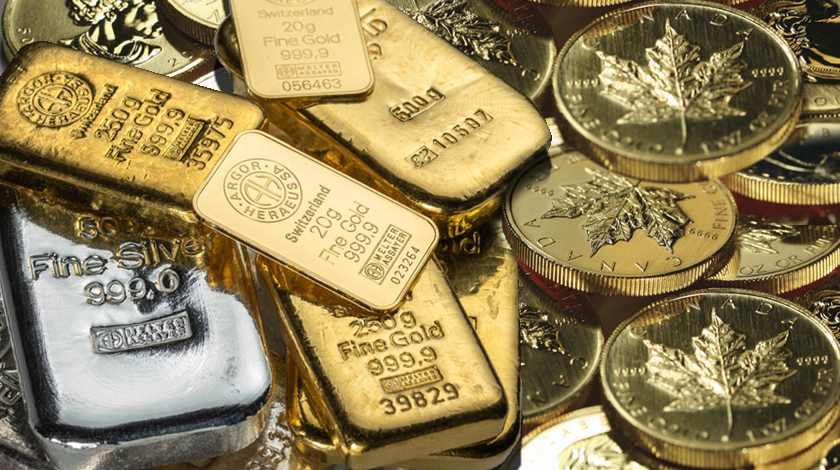
Selling precious metals like gold and silver can be a significant financial transaction. Whether you’re liquidating old jewelry, coins, or bullion, the goal is to walk away with the maximum possible cash for your assets. In Florida’s diverse market, achieving this requires more than just finding the nearest buyer; it demands a strategic approach.
This guide outlines a clear, actionable process to ensure highest payouts on gold and silver. By understanding how value is determined, properly preparing your items, and knowing how to vet buyers, you can confidently navigate the sale. The difference between an average offer and a top-tier one often comes down to a few key decisions.
Understand What Determines Your Payout
The final number on your check is not arbitrary. It’s the result of a calculated formula based on three primary factors: the metal’s spot price, the item’s purity and weight, and the buyer’s business model.
First, the spot price is the baseline. This is the current market price for one troy ounce of pure (999 fine) gold or silver, fluctuating constantly based on global trading. Your items are valued as a percentage of this price. Second, purity and weight are measured scientifically. Purity, expressed in karats for gold or a percentage for silver, determines how much actual precious metal is present. An item’s gross weight is then multiplied by its purity percentage to find its pure metal content, or “melt value.”
The third factor is the buyer’s margin. Reputable buyers like Highest Payouts on Gold and Silver must cover operational costs and make a profit, so they pay a percentage below the spot price. The highest-paying buyers operate on the slimmest margins, often between 90-98% of melt value for straightforward bullion. Understanding this breakdown prevents you from accepting lowball offers based on sentiment rather than metallurgical reality.
The Critical Role of Accurate Measurement
Never rely on a buyer’s first visual assessment. A trustworthy process involves precise measurement on calibrated scales and a definitive purity test. For gold, a professional will use an electronic gold tester or perform a specific gravity test. Acid testing is another common method, though it may leave a small mark on an inconspicuous area. For silver, magnets (silver is not magnetic) and acid tests are standard. Insist on seeing these tests and understanding the calculations.
Prepare Your Items to Maximize Value
How you present your items can influence both the offer and the speed of the transaction. Disorganization can lead to undervaluation.
Start by sorting and separating. Group items by metal type: gold with gold, silver with silver. Further separate them by purity if possible—14k gold chains together, sterling silver flatware in its own pile. Remove any non-metal components like gemstones, pearls, or leather straps, as these can have separate value but complicate the melt-value calculation for the metal itself.
Next, perform basic cleaning and documentation. Gently clean pieces with a soft cloth to remove dirt and grime, allowing for easier inspection. While most buyers pay solely for metal weight, unique or antique items might have collectible value. Research hallmarks and take clear photographs before you sell. Although a specialized collector’s buyer is different from a bullion buyer, knowing what you have ensures you don’t accidentally sell a rare coin for just its silver content.
Research and Vet Florida Buyers Thoroughly
Not all buyers are created equal. Florida has a wide range, from national chains and local jewelers to specialized refiners and pawn shops. Your research phase is non-negotiable for securing a top payout.
Check credentials and reputation. Look for businesses that are members of professional organizations like the Jewelers Board of Trade (JBT) or the Better Business Bureau (BBB). Read verified customer reviews on Google and Yelp, paying attention to comments about transparency, testing procedures, and final payouts. A long-established local presence, such as trusted Boca Raton Gold Buyers, often indicates stability and a commitment to community reputation over quick, low-margin transactions.
Get multiple appraisals. Always obtain written offers from at least three different buyers. This is the single most effective tactic to ensure you are getting a competitive rate. Present the same, sorted items to each buyer for a direct comparison. Be wary of any buyer who pressures you for an immediate decision or disparages their competitors’ offers without proof.
Questions to Ask Every Potential Buyer
- “What is your current buy price as a percentage of the spot price for [specific purity] gold/silver?”
- “Can you walk me through your testing process step-by-step?”
- “Are there any fees or deductions beyond your quoted price?”
- “Do you pay immediately via cash, check, or bank transfer upon agreement?”
- “Can you provide the offer in writing?”
Time Your Sale Strategically
While you shouldn’t try to time the market perfectly, being aware of broader trends can help you capture a stronger price.
Monitor the spot price trends for a few weeks before selling. Use financial news websites or dedicated apps to track the daily prices of gold (XAU) and silver (XAG). Precious metals often see increased prices during periods of economic uncertainty or high inflation. Selling during a sustained upward trend is generally better than selling during a sharp dip.
Consider the buyer’s inventory needs. Local jewelers may pay more for specific items they can resell, like nearly new or high-fashion jewelry, versus sending them to a refiner. Conversely, a refiner specializing in bulk scrap may offer the best price for broken or outdated items purely for their melt value. Understanding what your buyer primarily seeks can work to your advantage.
Negotiate with Confidence and Knowledge
Armed with multiple written offers and a clear understanding of your items’ melt value, you are in a position to negotiate. This isn’t about haggling for the sake of it; it’s about ensuring the price reflects the fair market value.
Present your best competing offer politely and factually. A professional buyer will respect that you’ve done your homework. They may match or slightly exceed a legitimate competitor’s offer to earn your business. Remember, the goal is a transparent transaction where both parties feel the price is fair. If a buyer refuses to explain their pricing or becomes hostile, it’s a clear sign to take your business elsewhere.
Frequently Asked Questions
What is the best way to find the current spot price?
The most reliable method is to check financial websites like Kitco or Bloomberg, which provide real-time and historical charts for gold and silver. The price is listed per troy ounce. Remember, the price you see is for pure metal; your items will be valued at a percentage of this based on their purity.
Should I sell to an online buyer or a local store?
Both have pros and cons. Online buyers may offer competitive rates but require you to ship your items insured, introducing delay and risk. Local Florida buyers provide immediate payment, allow you to witness the testing, and facilitate easier negotiation. For first-time sellers or those with high-value lots, a reputable local buyer is often the safer choice.
Do I need an official appraisal before selling?
For standard scrap gold and silver jewelry, a formal appraisal is usually unnecessary and not cost-effective, as buyers will base offers on weight and purity. However, for rare coins, antique pieces, or high-end signed jewelry, a certified appraisal from a qualified gemologist or numismatist can help you identify items with collectible value beyond their metal content.
Are there taxes on selling gold and silver in Florida?
Florida does not have a state sales tax on precious metals bullion or coins. However, for federal tax purposes, if you sell items for more than you originally paid for them, you may be responsible for reporting capital gains. It’s advisable to keep records of your purchase and sale and consult with a tax professional for specific advice.
What items typically have the lowest payout?
Items with low purity, such as gold-plated or gold-filled jewelry, have minimal precious metal content and often aren’t worth selling for melt value. Similarly, heavily worn coins or silverware with significant base metal composition will yield less. Buyers primarily pay for the recoverable pure metal.
Can I negotiate the price after testing has begun?
Yes, but within reason. The negotiation window is typically before you agree to sell and before any destructive testing (like acid tests) occurs. Once you have a written offer based on the tested weight and purity, you can present competing offers. After you’ve verbally agreed to sell and the buyer has begun processing payment, it is unprofessional to renegotiate.
Conclusion
Securing the highest possible payout for your gold and silver in Florida is a systematic process, not a matter of luck. It hinges on your knowledge of market pricing, thorough preparation of your items, and diligent research into the buyer you choose. By obtaining multiple written offers and understanding the testing process, you transform from a passive seller into an informed participant in the transaction.
The Florida market offers excellent opportunities for those willing to invest a small amount of time in preparation. With the strategies outlined here, you can approach your sale with confidence, ensuring that the value you receive reflects the true worth of your precious metals. The right preparation leads directly to the right price.