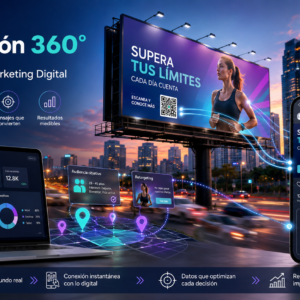

Modern consumers face an overwhelming barrage of digital advertisements every single day. The average person encounters between 6,000 and 10,000 ads daily across social media, email, streaming platforms, and websites. This constant bombardment has created banner blindness, inbox fatigue, and a general skepticism toward online marketing messages. In this environment of overcoming noise building brand trust has become increasingly difficult through digital channels alone.
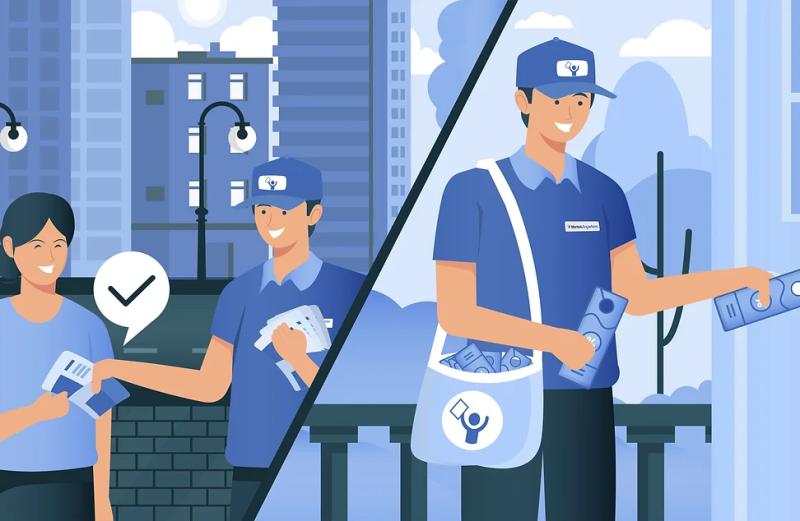
Direct door-to-door flyer distribution offers a refreshing alternative that cuts through the digital clutter. When a potential customer holds a physical marketing piece in their hands, they engage with your brand in a fundamentally different way than scrolling past another sponsored post. This tangible connection creates opportunities for building genuine trust and recognition in local markets where your business operates.
This article explores how strategic flyer distribution builds brand credibility, the psychological advantages of physical marketing materials, and practical approaches to designing campaigns that convert skeptical audiences into loyal customers.
The Psychology Behind Physical Marketing Materials
Physical marketing creates neurological responses that digital advertising cannot replicate. Research in consumer behavior shows that tangible materials engage multiple sensory pathways simultaneously. When someone picks up a flyer, they process the texture of the paper, the visual design, and the written message all at once. This multi-sensory experience creates stronger memory encoding than digital impressions that disappear with a single scroll.
The permanence of physical materials matters significantly for trust-building. A well-designed flyer might sit on a kitchen counter for days or weeks, creating repeated brand exposures without additional cost. Each time the recipient sees your message, familiarity increases. This repeated passive exposure builds the recognition that precedes trust in any marketing relationship.
The Tangibility Factor in Brand Perception
Consumers associate physical marketing with legitimacy and investment. A business willing to print and distribute quality materials demonstrates commitment to the local community. This perception contrasts sharply with digital ads, which many consumers view as low-effort, automated, or potentially fraudulent. The physical presence of your marketing piece signals that you are a real business with genuine local roots.
Strategic Targeting Through Geographic Distribution
One of the most powerful advantages of door-to-door distribution lies in precise geographic targeting. Unlike digital campaigns that rely on algorithmic guesses about location and intent, Flyer distribution allows you to select exact neighborhoods, streets, or even specific households that match your ideal customer profile.
This precision eliminates wasted impressions. A local restaurant can target residential areas within a three-mile radius. A home services company can focus on neighborhoods with older homes that likely need renovation work. A fitness studio can concentrate on areas with demographic profiles matching their membership base. This strategic approach ensures that every marketing dollar reaches genuinely relevant prospects.
Building Neighborhood-Level Recognition
Consistent presence in specific geographic areas creates powerful local brand recognition. When residents repeatedly see your materials delivered to their neighborhood, you become part of the local business landscape. This visibility builds trust through familiarity—people prefer doing business with brands they recognize and encounter regularly in their daily environment.
The cumulative effect of multiple distributions cannot be overstated. A single flyer might generate modest response rates, but a quarterly distribution schedule creates the repetition necessary for brand building. Over time, your business becomes the default choice when residents need your products or services.
Designing Flyers That Build Credibility
The design quality of your marketing materials directly impacts perceived trustworthiness. A professionally designed flyer with high-quality printing signals that your business maintains similar standards in your products or services. Conversely, poorly designed materials with obvious stock photos and generic messaging undermine credibility before prospects even read your offer.
Authenticity resonates more powerfully than polish in many markets. Including photos of actual team members, real customer testimonials with full names, or images of your physical location creates verifiable touchpoints that build confidence. Prospects can drive past your storefront, look up your team on LinkedIn, or recognize neighbors in testimonials—each verification opportunity strengthens trust.
Essential Elements of Trust-Building Flyers
Clear contact information demonstrates transparency and accessibility. Include your physical address, phone number, website, and business hours prominently. Many consumers specifically look for local addresses as a trust signal—businesses with verifiable locations feel safer than those with only phone numbers or websites.
Specific offers outperform vague promises consistently. Instead of “Great Prices,” specify “15% Off First Service” or “Free Consultation—$200 Value.” Concrete offers feel more legitimate and create clear expectations. Vague marketing language triggers skepticism, while specific commitments demonstrate confidence in your value proposition.
Social proof elements like “Serving [Neighborhood] Since 2015” or “Over 500 Local Customers Served” provide objective credibility markers. Awards, certifications, and association memberships also build trust, particularly in industries where credentials matter to consumers.
Integrating Physical and Digital Strategies
The most effective modern marketing campaigns use physical distribution as a gateway to digital engagement. Including QR codes on flyers bridges the tangible-digital divide seamlessly. A prospect who scans your code has already demonstrated higher engagement than someone who merely saw a digital ad—they took physical action with your marketing material.
This integration creates trackable conversion paths while maintaining the trust-building advantages of physical marketing. You can direct flyer recipients to landing pages designed specifically for their neighborhood, offering localized content that reinforces the personal connection established through door-to-door distribution.
Measuring Trust-Building Success
Response tracking for physical campaigns requires different metrics than digital marketing. Beyond immediate conversions, monitor brand awareness through customer surveys asking “How did you hear about us?” Many customers who ultimately convert through digital channels first encountered your brand through physical distribution.
Long-term customer value often exceeds that of digital-only acquisitions. Customers acquired through physical marketing tend to have higher retention rates and lifetime values, likely because the initial relationship began with a more substantive, trust-based interaction rather than an impulse click.
Overcoming Common Distribution Challenges
Consistency presents the primary challenge for most businesses attempting door-to-door campaigns. Unlike digital advertising that runs continuously once set up, physical distribution requires ongoing logistical coordination. Partnering with a reliable Door hanger delivery service solves this challenge by providing professional distribution networks that ensure your materials reach target households on schedule.
Weather considerations, distribution verification, and seasonal planning all require attention. Professional distribution services handle these operational details while providing proof-of-delivery documentation that confirms your marketing investment reached intended recipients.
Frequently Asked Questions
How often should businesses distribute flyers to build trust effectively?
Quarterly distribution creates optimal recognition without oversaturation for most local businesses. Service-based businesses benefit from seasonal campaigns aligned with demand peaks, while retail businesses might increase frequency around major shopping periods. Consistency matters more than frequency—regular quarterly distributions outperform sporadic monthly campaigns in building lasting brand recognition.
What response rates should businesses expect from door-to-door flyer campaigns?
Typical response rates range from 1-5% for well-targeted campaigns with compelling offers. However, measuring success solely by immediate response undercounts the trust-building value. Many prospects retain flyers for future reference, resulting in conversions weeks or months after distribution. Brand awareness lift often exceeds direct response rates by significant margins.
How does flyer distribution compare cost-effectively to digital advertising?
Cost per impression typically favors digital channels, but cost per quality lead often favors physical distribution in local markets. Flyers generate higher-intent leads because recipients physically engage with your message. Digital ads reach more people at lower cost, but physical distribution reaches fewer people with higher conversion potential and stronger trust foundations.
What design mistakes undermine trust in marketing flyers?
Excessive clipart, obvious stock photography, grammatical errors, and cluttered layouts all damage credibility. Unrealistic claims without supporting evidence trigger skepticism. Missing contact information or vague business locations raise red flags. Professional design investment pays dividends in perceived legitimacy—consumers judge your business quality by your marketing quality.
Can small businesses compete with larger companies through flyer distribution?
Physical distribution actually levels the playing field for small businesses. Local companies can demonstrate community connection and personalized service through authentic materials that large corporations cannot replicate cost-effectively. Small businesses win on local relevance, personal relationships, and neighborhood-specific knowledge—advantages that physical marketing showcases effectively.
How important is paper quality and printing for building brand trust?
Paper stock significantly impacts perceived quality and retention. Heavier card stock (14pt or higher) feels more substantial and survives longer in households. Glossy finishes attract attention but matte finishes often feel more premium for service businesses. Poor printing with faded colors or misaligned elements immediately undermines credibility regardless of design quality.
Conclusion
Overcoming noise building brand trust requires marketing approaches that break through digital saturation and create genuine connections with local audiences. Door-to-door flyer distribution accomplishes this by delivering tangible, targeted messages directly into the hands of potential customers in their homes. The physical nature of this marketing creates psychological engagement that digital impressions cannot match, while precise geographic targeting ensures relevance that builds credibility.
Success in physical marketing demands the same strategic thinking that drives digital campaigns—clear targeting, compelling offers, professional design, and consistent execution. Businesses that integrate flyer distribution into comprehensive marketing strategies gain competitive advantages in local markets where trust and recognition drive purchasing decisions. As digital channels become increasingly crowded and expensive, the tangible authenticity of well-executed door-to-door distribution offers a proven path to building the lasting customer relationships that sustain business growth.