
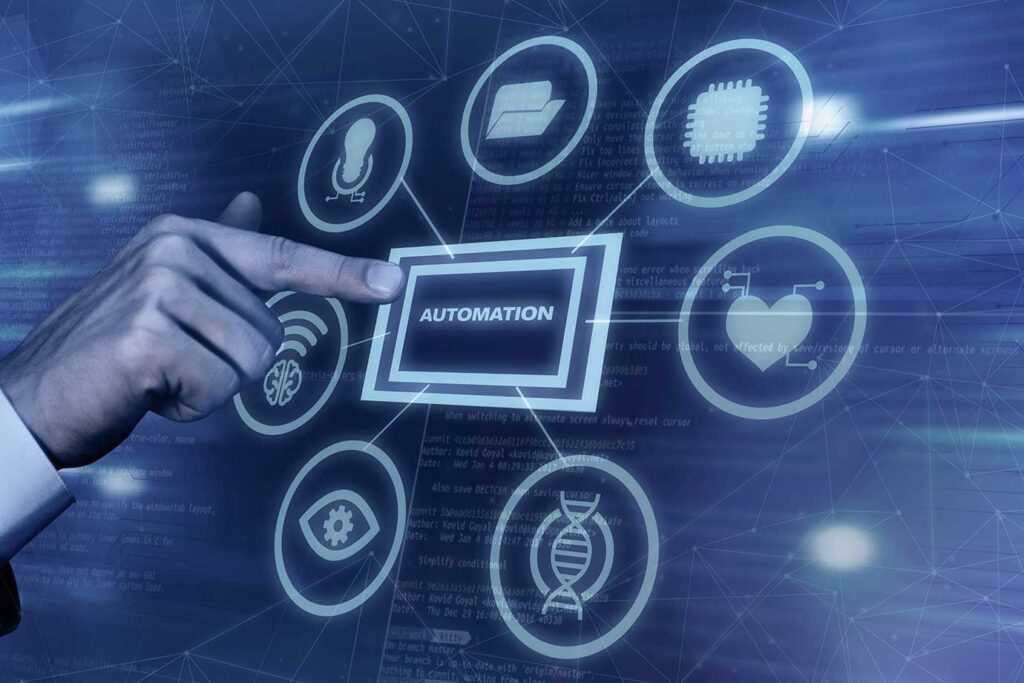
In an era where operational efficiency is directly tied to competitive advantage, workflow automation has moved from a luxury to a core business necessity. Organizations are automating processes to eliminate manual errors, accelerate delivery cycles, and free up human talent for higher-value work. However, the success of these initiatives hinges not just on the technology, but on the team that builds and integrates it.
Choosing the right development partner is a critical strategic decision. While global talent pools offer cost considerations, partnering with US-based workflow automation developers presents a compelling case for organizations prioritizing security, seamless collaboration, and predictable project outcomes. This model aligns development efforts closely with business objectives, regulatory frameworks, and security postures from the outset.
This article explores the tangible benefits of this partnership model, focusing on how it de-risks IT delivery and creates a foundation for scalable, secure automation.
Strategic Alignment and Communication Efficacy
The foundational benefit of working with a domestic partner is the elimination of fundamental friction points that can derail projects. Shared business culture, language, and time zones are not mere conveniences; they are catalysts for project velocity and accuracy.
When developers operate in the same or adjacent time zones, real-time collaboration becomes the default. Daily stand-ups, impromptu clarification calls, and synchronous debugging sessions happen without scheduling gymnastics. This continuous feedback loop allows for rapid iteration. A requirement misunderstood on Monday can be corrected and redeployed by Tuesday, preventing small misunderstandings from becoming costly, weeks-long detours.
Furthermore, US-based teams typically possess an intrinsic understanding of the domestic business landscape. They grasp the operational pressures, customer service expectations, and competitive dynamics that shape your automation goals. This context allows them to function as strategic advisors, suggesting process improvements you may not have considered and ensuring the automated workflow genuinely enhances the business outcome, not just the technical task.
Enhanced Security Posture and Regulatory Compliance
For any automation touching sensitive data—customer information, financial records, intellectual property—security is non-negotiable. Partnering with a US-based team provides inherent advantages in building a secure automation framework.
First, developers operating within the same legal jurisdiction are directly accountable to US data privacy and protection laws, such as the California Consumer Privacy Act (CCPA) and sector-specific regulations like HIPAA in healthcare or GLBA in finance. They are not just aware of these frameworks; they are required to design and code within them. This built-in compliance reduces the legal and reputational risk of cross-border data handling ambiguities.
Second, security protocols and best practices are more consistently applied. From secure coding standards and infrastructure hardening to adherence to protocols like SOC 2, US-based firms often have mature, audited security practices integrated into their development lifecycle. When you engage US-Based Workflow Automation Developers, you are not just hiring coders; you are leveraging an established security-first culture. This proactive approach minimizes vulnerabilities at the source rather than attempting to patch them later.
Intellectual Property Protection and Legal Recourse
Workflow automation often involves creating proprietary logic, unique integrations, and custom applications that become valuable business assets. Protecting this intellectual property (IP) is paramount.
Contracts governed by US law offer stronger, more familiar protections for IP ownership. A well-structured agreement with a domestic partner will clearly stipulate that all code, processes, and developments created for your project are your exclusive property. Enforcement of these contracts is more straightforward within a single legal system, providing clear recourse in the unlikely event of a dispute.
This contrasts with offshore arrangements, where navigating foreign legal systems to assert IP rights can be prohibitively expensive and uncertain. The clarity and security of US contractual law provide a stable foundation for innovation, ensuring your investment in automation yields assets you fully own and control.
Predictable Project Management and Outcome Delivery
The predictability of project delivery is a major differentiator. US-based partnerships typically employ mature, transparent project management methodologies—whether Agile, Scrum, or a hybrid model. You gain visibility into the process through regular sprint reviews, demos, and detailed progress reporting.
This transparency allows for better budget and timeline management. Scope creep is managed through formalized change request processes, and you are involved in prioritization decisions at every sprint. The result is a higher degree of confidence that the project will deliver the expected value on schedule.
Moreover, the cultural alignment reduces the risk of “requirements drift.” Developers who understand the “why” behind a feature are better equipped to make sensible micro-decisions during build-out, keeping the final product aligned with your vision without requiring constant, granular oversight.
Access to Specialized Talent and Scalable Engagement
The demand for skilled automation developers specializing in platforms like Microsoft Power Automate, UiPath, or custom Python/RPA frameworks often outstrips supply. Partnering with a US-based firm gives you immediate access to a vetted pool of this specialized talent without the lengthy recruitment and onboarding cycles.
This model, often structured as Workflow Automation Staff Augmentation, provides exceptional flexibility. You can scale your team up or down based on project phases, bringing in a senior architect for the design phase, mid-level developers for core build, and integration specialists for deployment. This elasticity allows for efficient resource allocation, ensuring you pay for expertise only when you need it, while the managing firm handles HR overhead, benefits, and continuous skills training.
Long-Term Partnership and Support
A successful automation project is not a one-time event; it is the beginning of an ongoing lifecycle requiring maintenance, optimization, and scaling. A local partnership fosters a long-term relationship.
Post-launch support is more responsive when your development team is a few time zones away, not a full day ahead or behind. Critical issues can be addressed promptly, and ongoing improvements can be planned collaboratively. The partner’s deep institutional knowledge of your systems, built during the initial project, makes them exponentially more efficient at supporting and enhancing your automation environment over time. This transforms a vendor relationship into a true strategic partnership focused on your long-term operational maturity.
Frequently Asked Questions
What are the main security benefits of using US-based developers?
The primary security benefits stem from direct accountability to US data privacy laws (like CCPA) and aligned security standards. Developers operate under the same regulatory umbrella, ensuring compliance is designed into the workflow from the start. They also typically employ mature, audited security practices (like SOC 2 frameworks) throughout the development lifecycle, reducing vulnerability risks and providing clearer legal recourse for data protection.
How does this model improve project communication and management?
Shared time zones enable real-time collaboration through daily stand-ups, instant messaging, and live debugging sessions. This synchronous communication prevents misunderstandings from festering and accelerates problem-solving. Coupled with transparent Agile/Scrum methodologies, it provides consistent visibility into progress, budget, and timelines, leading to more predictable and successful project outcomes.
Is partnering with US-based developers more expensive than offshore options?
While hourly rates may be higher, the total cost of ownership often proves more favorable. Reduced risks from miscommunication, security breaches, or project delays translate into significant cost savings. The efficiency gains from seamless collaboration and higher first-time-right quality mean you spend less time and money on rework, making the investment highly efficient for mission-critical, secure automation.
Can I scale the team up or down as needed?
Absolutely. This is a key advantage of the staff augmentation model common with US-based partners. You can flexibly add specialized developers, architects, or QA engineers during intensive build phases and scale down during planning or maintenance periods. The partner firm manages the talent pipeline and overhead, providing you with agility without the administrative burden of direct hiring.
Who owns the intellectual property created during the project?
In a standard US-based partnership, you retain full ownership of all intellectual property, including custom code, workflow designs, and integrations. Contracts governed by US law explicitly define this, offering strong, enforceable protections for your business assets. This clarity is a fundamental advantage over models where international IP law can be ambiguous and difficult to enforce.
What about long-term support after the workflow is deployed?
A major benefit of a local partnership is the foundation it creates for ongoing support. The team that built your automation understands it intimately, making them the most efficient choice for maintenance, troubleshooting, and future enhancements. Proximity and aligned business hours ensure responsive support and facilitate a strategic, long-term relationship focused on continuously optimizing your automated processes.
Conclusion
The decision to automate workflows is a strategic investment in operational excellence. The choice of a development partner determines the return on that investment. While cost is a factor, the risks associated with communication barriers, security gaps, and intellectual property ambiguity in offshore models can erode value and introduce significant operational danger.
Partnering with US-based workflow automation developers offers a de-risked path to secure IT delivery. The benefits are comprehensive: seamless collaboration born of cultural and temporal alignment, robust security and compliance integrated into the development fabric, strong legal protections for your IP, and a transparent partnership model that delivers predictable results. This approach transforms automation from a technical project into a strategic business initiative, building not just software, but a secure, scalable, and efficient operational future.
Ultimately, for organizations where security, reliability, and strategic alignment are paramount, the value of a US-based partnership extends far beyond code. It provides the trusted foundation necessary to innovate with confidence and achieve lasting competitive advantage through automation.